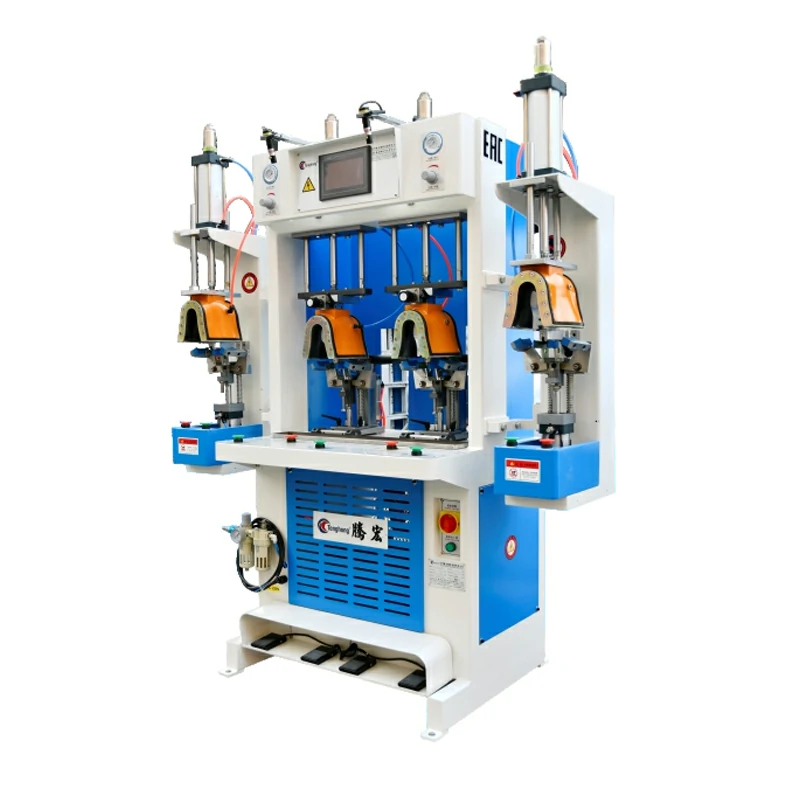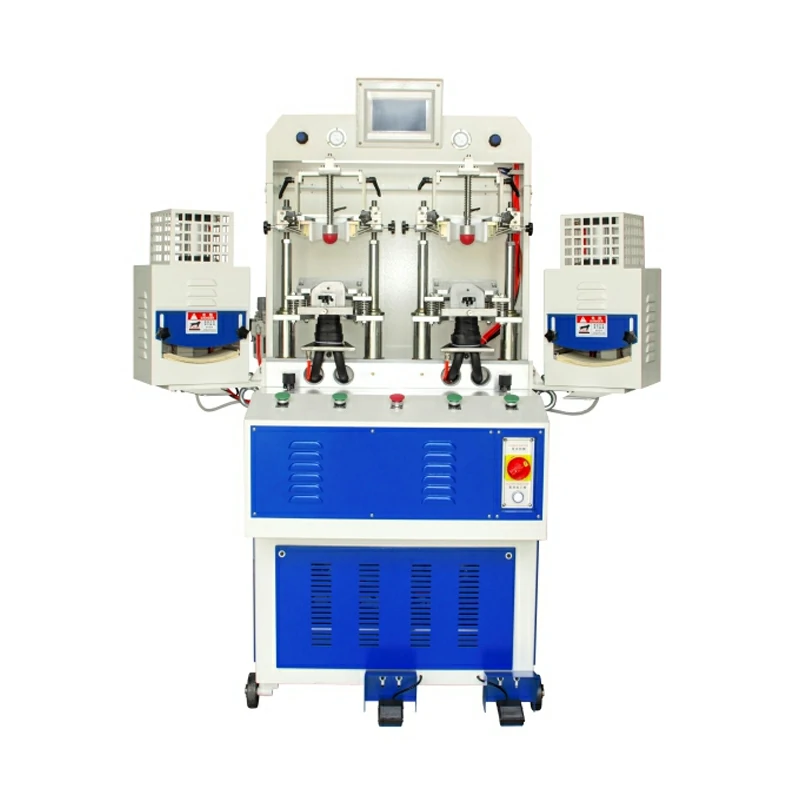
Wrinkles on the toe during lasting are one of the most common shoe-upper defects in footwear production. They form when the upper is pulled over the last with uneven tension, when the material is not prepared correctly, when the toe is positioned inaccurately, or when the toe lasting machine is not set up for the specific upper. They are prevented by balancing clamping and pincer tension, conditioning and aligning the upper, choosing the right last and wiping parameters, and keeping the machine adjusted and maintained. In most factories the fix is a repeatable process rather than a single machine change.
Why the Toe Is the Most Wrinkle-Prone Area
The toe of a shoe has the tightest curvature on the last and the largest amount of excess upper material gathered at the vamp. As the pincers pull the upper down and around the last, any slack or uneven stretch is compressed into a visible fold. This is why shoe upper wrinkles appear most often at the toe, and why toe lasting problems related to surface defects are reported more frequently than similar issues at the heel seat.
Understanding this geometry is the first step. A wrinkle is not a random fault; it is the upper telling you that tension, material, position, or machine setup is out of balance for that specific style.
The Four Root Causes of Toe Lasting Wrinkles
1. Clamping and Pincer Tension
Clamping holds the upper against the last before the pincers and wiper form it. Too much clamping pressure stretches the upper thin and can force a hard ridge; too little leaves material loose so it folds under the wiper. Asymmetric pincer pressure pulls the upper to one side, producing a one-sided wrinkle. The correct setting holds the upper firmly without over-stretching it.
2. Upper Material and Preparation
Stiff leather, unevenly split hides, material that is too damp or too dry, and liners that shrink at the toe all raise wrinkle risk. Pre-softening the vamp and controlling moisture help the material conform to the last instead of fighting it. An upper that is right for one shoe may wrinkle on another simply because the preparation step was skipped.
3. Toe Positioning and Last Alignment
If the shoe is not seated squarely on the last, or the toe spring and vamp line are off, the upper gathers unevenly and wrinkles form before clamping is even complete. Accurate positioning of the shoe on the last is a low-cost, high-impact control that is easy to overlook on a busy line.
4. Machine Setup and Adjustment
Wiper stroke length and speed, heater and cementing timing, pincer sequence, and last support must match the upper. A setting that works for a structured leather shoe can cause wrinkles on a soft, lined upper. This is why a documented setup sheet per style pays for itself quickly.
How Clamping Tension Creates or Removes Wrinkles
Clamping tension is the single setting operators touch first when a wrinkle appears, and for good reason. The goal is a uniform hold: the upper should be fixed to the last with no slack and no visible stretch line. A practical method is to run a trial pair, remove it from the last, and inspect the vamp from the side and from above. If a thin, shiny line appears, reduce clamp pressure. If loose folds remain under the wiper, increase it or check the pincer sequence. Adjust in small steps and re-test; large jumps make the cause of the wrinkle harder to isolate.
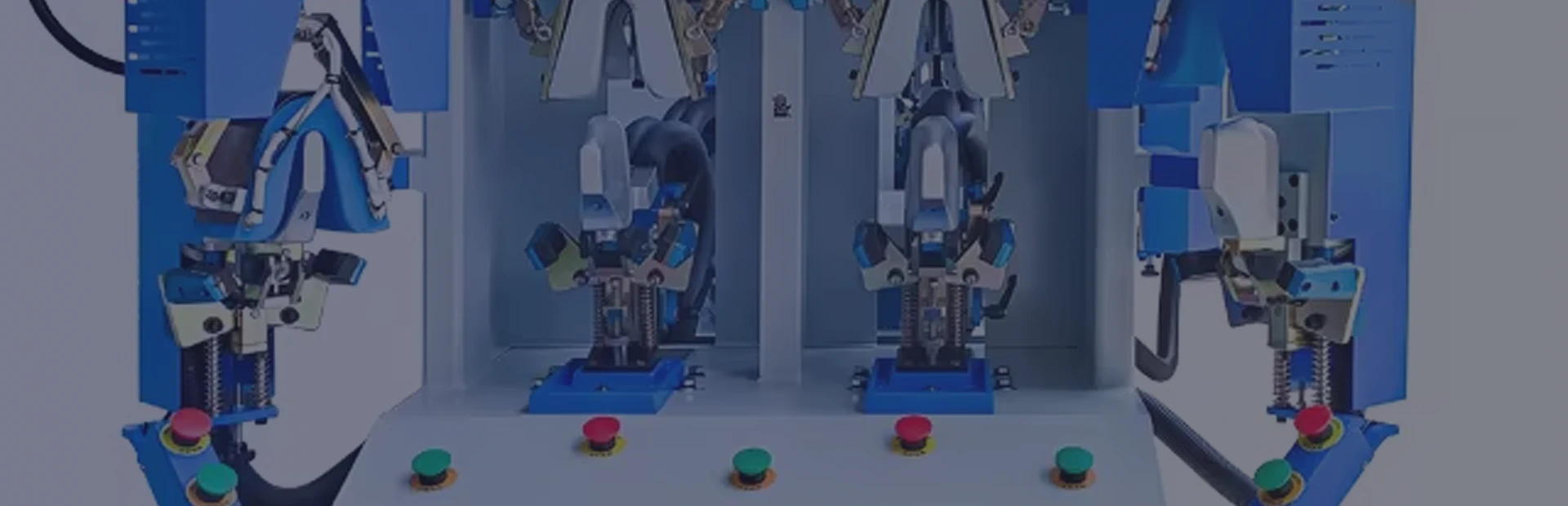
On a modern automatic toe lasting machine, clamp and pincer pressures are usually adjustable per station, which lets you tune the hold to the material rather than forcing every style through one fixed pressure.
| Cause | Symptom on the toe | First adjustment to try |
|---|---|---|
| Clamping pressure too high | Thin stretched line, shiny ridge | Reduce clamp pressure; re-center upper |
| Clamping pressure too low | Loose folds under wiper | Increase clamp; check pincer sequence |
| Uneven pincer pressure | Wrinkle pulled to one side | Balance pincer pressures; verify sync |
| Upper too stiff or dry | Multiple fine wrinkles | Pre-soften vamp; check moisture |
| Toe not seated on last | Diagonal fold at vamp | Re-position shoe on last |
Upper Material Factors You Should Control
Material choice sets the ceiling for how clean the toe can be. Full-grain and crust leathers behave differently from corrected splits; synthetics and PU respond to heat and moisture in their own way. The practical controls are:
- Split the upper to a consistent thickness so tension is even across the vamp.
- Condition stiff leather before lasting so it conforms instead of springing back.
- Control moisture – neither soaked nor bone dry – at the moment of lasting.
- Check liners and toe boxes for shrinkage that gathers the upper at the toe.
None of these require special equipment, but they do require the lasting operator and the cutting and preparation stage to agree on a standard for the style.
Equipment Adjustment Checklist to Prevent Wrinkles
Use this checklist when a new style goes on the line, or when wrinkles appear on a running style:
- Confirm the last matches the shoe design and the toe spring is correct.
- Set clamp pressure to hold the upper without over-stretch.
- Program the pincer sequence so the vamp is gathered symmetrically.
- Set wiper stroke and speed to fold the upper without trapping air.
- Match heater and cementing timing to the adhesive and material.
- Run a trial pair and inspect the vamp from several angles before full production.
| Parameter | What it controls | Wrinkle-related risk if wrong |
|---|---|---|
| Clamp pressure | Hold upper on last | Stretch line or loose fold |
| Pincer sequence | Symmetry of gather | One-sided wrinkle |
| Wiper stroke and speed | Fold over last | Trapped fold, puff |
| Heater and cement timing | Bond before set | Shift, re-wrinkle |
| Last toe spring | Shape match | Diagonal fold |
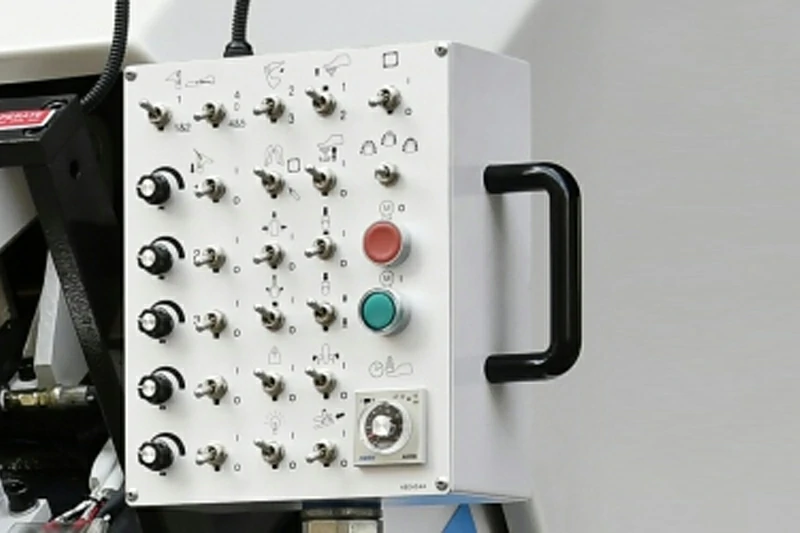
Toe Lasting Defect Comparison: Wrinkles vs Other Toe Defects
Wrinkles are often mixed up with other toe defects. Telling them apart matters because the fix is different. A puff is trapped air, a slack is simply loose material, and a scuff is a handling mark – none of these is solved by the same adjustment that removes a wrinkle.
| Defect | Appearance | Main cause | Prevention focus |
|---|---|---|---|
| Wrinkle | Folded line on vamp | Tension, material, position | Clamp balance, prep |
| Puff | Raised bubble | Air trapped under upper | Wiper stroke, de-air |
| Slack | Loose material | Low clamp or pincer | Increase hold |
| Scuff | Surface mark | Handling, last edge | Process handling |
Quality Control Checks on the Finished Toe
Prevention is better than sorting, but a simple check catches what setup misses:
- Inspect the vamp from the side and from above under even light.
- Run a light finger pull on the finished toe to feel for looseness.
- Compare against an approved standard sample for the style.
- Record repeat occurrences by style and last so the cause can be traced.
Wrinkle Risks by Shoe Type
The same machine behaves differently across shoe types, so the emphasis of prevention shifts. Matching the control to the product is faster than a universal setting that suits none of them:
- Leather dress shoes use thin, structured uppers that show every fold, so clamp balance and a documented per-style setup sheet matter most.
- Sneakers and soft uppers wrinkle from stretch and liner shrinkage; moisture control and a gentle wiper stroke lead the fix.
- Safety and work shoes use thicker, reinforced uppers that need more clamp hold, but over-clamping a stiff material trades a wrinkle for a hard ridge.
Read the defect on the actual shoe, then adjust the parameter that owns that risk, rather than changing several settings at once.
How to Evaluate a Toe Lasting Machine for Wrinkle Control
If you are buying or upgrading equipment, the features that matter for clean toes are the ones that let you tune the process to the upper. When you review a TENGHONG toe lasting machine, ask about independent pincer pressure control, a programmable pincer sequence, an adjustable wiper stroke and speed, last compatibility across your range, and how quickly the machine changes over between styles. The more the machine can be matched to the material, the fewer wrinkles you will fight later.
What to Send a Manufacturer When Wrinkles Persist
If you already run a line and still see toe lasting wrinkles, a supplier can help faster if you send the right information. Provide the upper material specification (type, thickness, supplier), a last drawing or sample, a target shoe photo, clear photos of the defect, your production volume, and the model of your current machine. With these details a TENGHONG specialist can suggest the configuration and setup changes most likely to remove the wrinkle for your specific product.
Common Mistakes That Keep Causing Wrinkles
- Using one fixed setting for every style instead of a per-style setup sheet.
- Skipping upper pre-softening on stiff leather.
- Ignoring last wear and toe-spring drift over time.
- Running full production before a trial pair is inspected.
- Over-tightening clamps to hide a positioning problem, which creates a new defect.
Frequently Asked Questions
What causes wrinkles on the toe of a shoe during lasting?
Wrinkles are caused by uneven upper tension, poorly prepared or unsuitable material, inaccurate toe positioning on the last, or a machine setup that does not match the upper. They usually appear where the most material is gathered – the toe vamp.
Is a toe lasting wrinkle a material problem or a machine problem?
It is rarely one or the other. Material preparation sets the baseline, and machine setup decides whether that material is formed cleanly. The fastest diagnosis is to check tension and positioning first, then material, then machine parameters.
How do I stop the upper from wrinkling at the toe on soft leather?
Soft leather needs a lighter, more even clamp and a gentler wiper stroke than structured leather, plus careful moisture control. Reduce clamp pressure in small steps, confirm symmetric pincer gathering, and avoid over-drying the upper before lasting.
Can more pincers on a toe lasting machine reduce wrinkles?
More pincers can improve how symmetrically the upper is gathered, which helps on complex toe shapes. They are a tool, not a guarantee; the sequence and pressure still have to be set for the material. The right pincer count depends on your shoe range.
Which toe lasting machine settings prevent wrinkles?
The settings that matter are clamp pressure, pincer sequence and pressure, wiper stroke and speed, heater and cement timing, and last toe spring. Each should be documented per style rather than left to operator memory.
What should I tell a supplier if I have persistent wrinkle problems?
Send the upper material spec, a last sample or drawing, photos of the defect and the target shoe, your volume, and your current machine model. That lets the supplier propose concrete setup or configuration changes instead of general advice.
Conclusion
Toe lasting wrinkles are preventable, but the prevention is specific: balance clamping and pincer tension, prepare and position the upper correctly, and set the toe lasting machine product page parameters to the material for each style. Treat the wrinkle as information about where the process is out of balance, and the fix becomes repeatable.
If you are selecting, upgrading, or tuning a toe lasting machine and want to discuss upper materials, last design, and machine configuration for your production, contact TENGHONG to review your requirements.