
Evaluating ROI on Automatic Shoe Lasting Machines: Labor Savings vs. Equipment Amortization
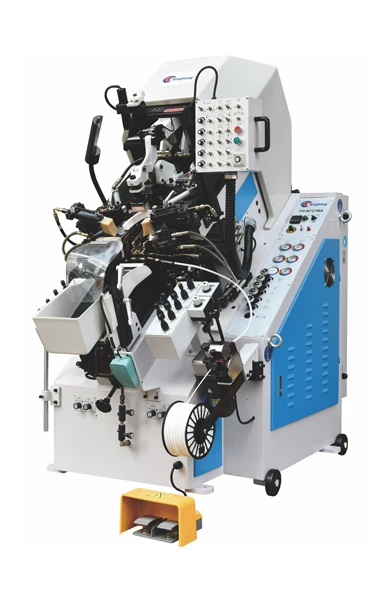
Investing in an automatic toe lasting machine yields a positive return on investment when the combined savings in direct labor, material scrap, and rework outweigh the capital depreciation and operating costs of the new equipment. For mid-to-large footwear production lines, this transition typically breaks even within 12 to 24 months, depending on local wage rates, […]
Micro-Computer & PLC Control in Modern Lasting Equipment: Why Touchscreen Calibration Matters
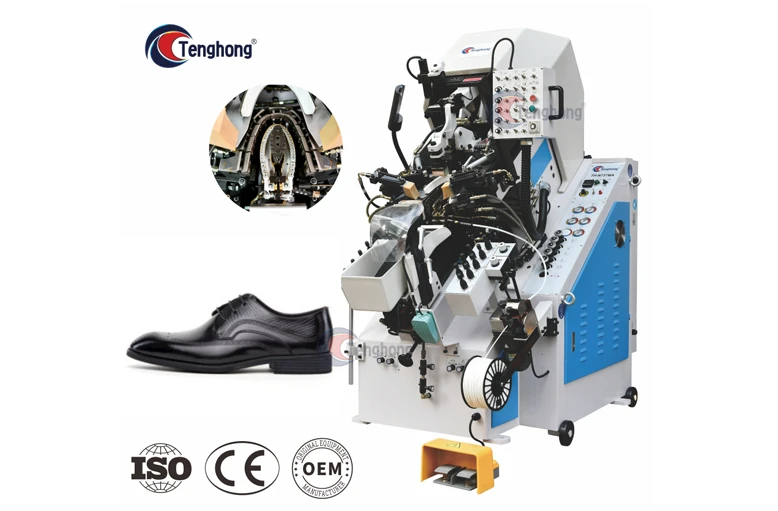
Precise upper tensioning and adhesive bonding in footwear manufacturing depend directly on the interaction between operator inputs and machine motion. In an automatic PLC toe lasting machine, the touchscreen Human-Machine Interface (HMI) serves as the primary bridge translating digital settings into physical hydraulic pressure, pincer travel, and wiper movement. If an interface drifts by even […]
Top 5 Automatic Toe Lasting Machines for Large-Scale Footwear Mass Production: Engineering Comparison & Buyer’s Guide
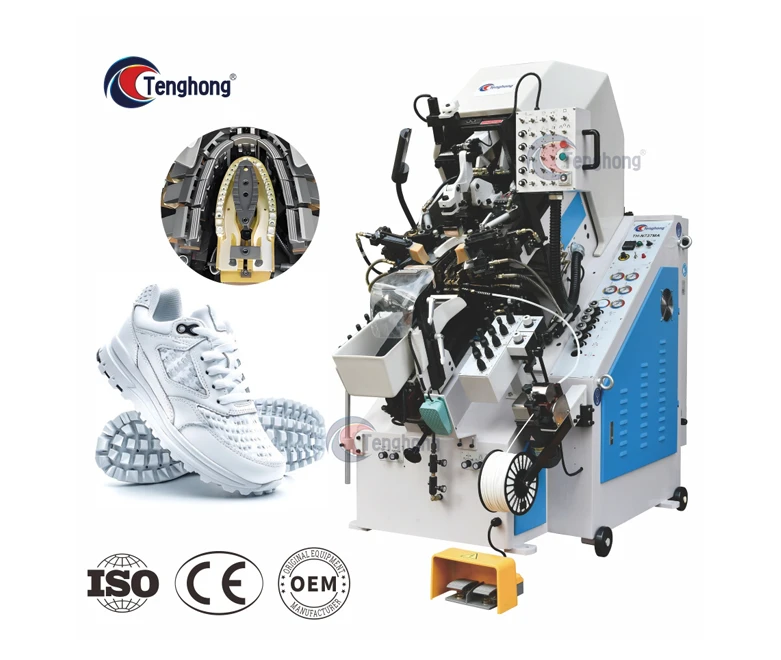
In large-scale footwear manufacturing, the toe lasting operation determines structural consistency, vamp tension balance, and downstream sole bonding strength. Selecting an automatic toe lasting machine for high-volume lines requires balancing cycle time, mechanical pulling accuracy, adhesive delivery stability, and tooling changeover speed. This guide evaluates five representative machine architectures across hydraulic and servo-driven configurations, outlines […]
Hydraulic vs. Servo-Driven Toe Lasting Machines: Energy, Precision, and Cost Breakdown
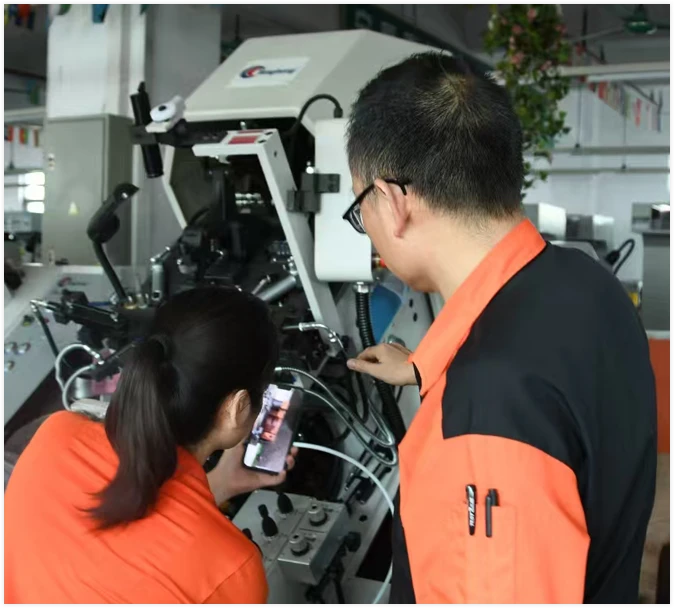
Selecting between a hydraulic and a servo-driven toe lasting machine determines a footwear plant’s long-term utility overhead, lasting scrap rates, and tooling adaptability. Directly compared, hydraulic systems deliver high mechanical clamping force at a lower initial purchase price, but they continuously draw idle power and suffer from hydraulic fluid viscosity changes across multi-shift runs. Servo-driven […]
7-Pincer vs. 9-Pincer Toe Lasting Machines: Which One Fits Your Shoe Factory?
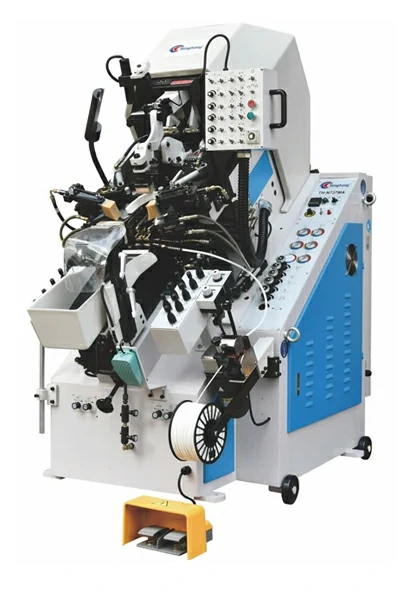
Choosing between a 7-pincer and a 9-pincer toe lasting machine comes down to three operational variables: the curvature of your shoe lasts, your changeover frequency, and your tolerance for manual touch-ups along the feather line. A 7-pincer configuration delivers faster changeovers and lower capital expenditure for round-toe footwear, casual sneakers, and standard work boots. Conversely, […]
Top 5 Automatic Toe Lasting Machines for Large-Scale Footwear Factories
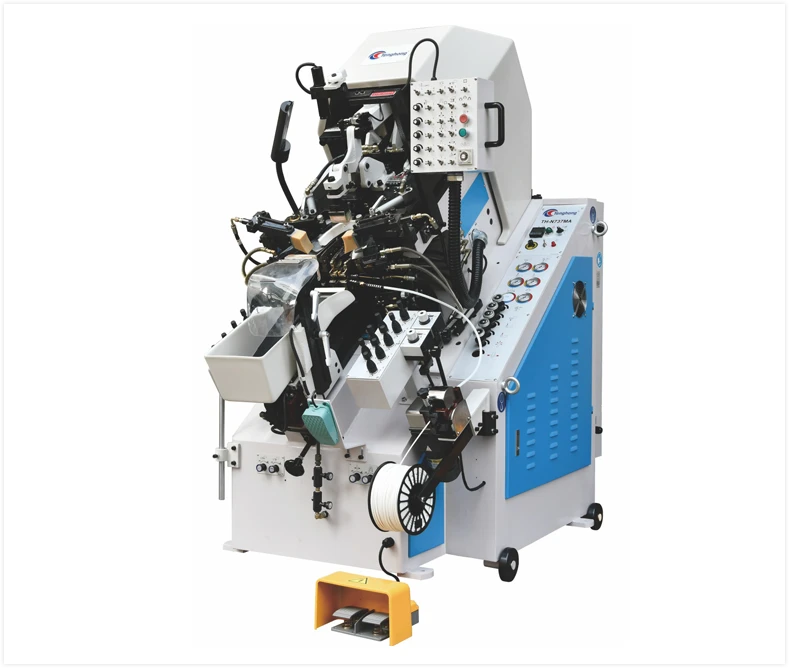
In high-volume footwear production, the toe lasting stage dictates overall assembly line output, shaping uniformity, and upper scrap rates. For manufacturing plants managing shifting style rotations or thousands of pairs per shift, selecting an automatic toe lasting machine requires balancing mechanical clamping precision, adhesive application control, and model changeover speed. This guide evaluates five core […]
Global Footwear Machine Sourcing: What to Look for When Importing Lasting Equipment from China
Importing lasting machinery from China offers footwear manufacturers a proven way to scale assembly lines while controlling capital investment. However, securing the right equipment requires balancing mechanical design, electronic synchronization, and rigorous factory acceptance standards. The success of an assembly line depends heavily on selecting the correct toe lasting machine, configuring its gripping and cementing […]
How to Properly Adjust Pincer Tension and Wiper Height on a Shoe Toe Lasting Machine: Operator Calibration Guide
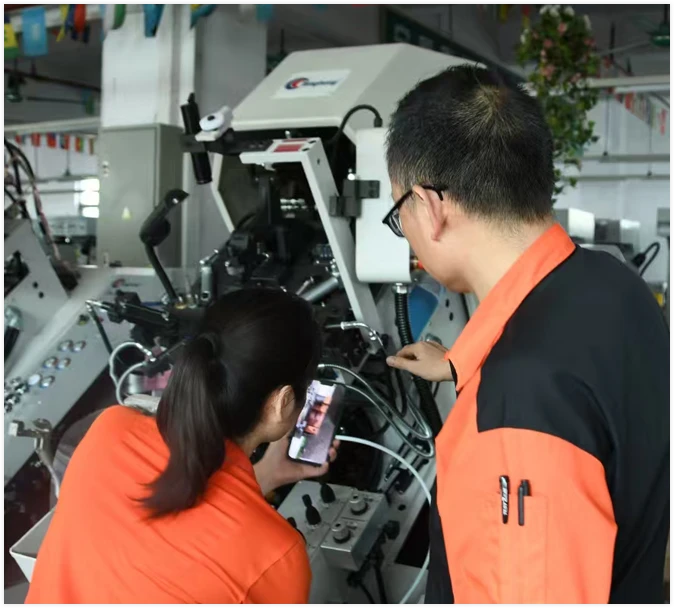
Proper calibration of a toe lasting machine requires balancing two mechanical forces: the tensile pull of the pincers stretching the shoe upper over the last, and the horizontal clearance of the wiping plates compressing the lasted margin against the insole. When pincer tension is too high, the upper tears or distorts the topline; when tension […]
Fully Automatic vs. Semi-Hydraulic: Choosing the Right Side and Heel Seat Lasting Machine for Your Footwear Production Line
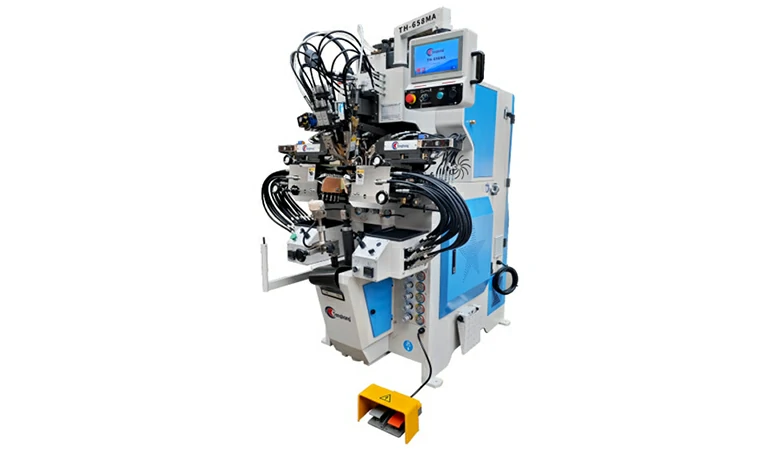
Selecting between a fully automatic and a semi-hydraulic side and heel seat lasting machine comes down to three technical variables: order batch volume, upper material elasticity, and the availability of dedicated maintenance technicians. Fully automatic systems excel in high-volume, standardized production lines where programmable servo movement minimizes cycle times and removes operator skill dependencies. Semi-hydraulic […]