Industry 4.0 in shoemaking is not a plan to replace a factory workforce with robots overnight. It is a practical change on the factory floor: machines become connected, supervisors can see what the line is doing, and decisions are based on live production data instead of guesswork.
The change shows up first in how a line runs, how a lasting machine holds its settings, how a press reports a completed cycle, and how shoes move between stations. This article explains what Industry 4.0 means for a footwear factory, which parts of the line change first, and what to evaluate before automating an existing production line.
What Does Industry 4.0 Mean on a Shoe Factory Floor?
In footwear manufacturing, Industry 4.0 describes a factory floor where machines are computer-controlled and exchange data instead of operating as isolated units. A lasting machine stores the parameters of each shoe last. A conveyor carries uppers between workstations without extra handling. A press with digital monitoring records every bonding cycle. When these machines work together, a line can be measured, compared and adjusted rather than managed from memory.
Four layers matter in practice:
- Machine level. Equipment with programmable settings, such as computer-controlled lasting machines and digitally monitored sole attaching presses.
- Line level. Conveyors and synchronized workstations that keep material moving at a steady rhythm.
- Data level. Records of output, settings and stoppages, reviewable by shift, style or machine.
- Decision level. Supervisors use those records to change parameters, reassign operators or plan maintenance before a problem stops the line.
Few shoe factories need all four layers on day one; the practical question is which stage of the process to connect first.
Which Stages of the Shoe Line Change First
Footwear assembly follows a familiar sequence: cutting and preparation, upper stitching, lasting, sole attaching and finishing. In a plant moving toward Industry 4.0, lasting and sole attaching usually receive attention first because both stages are machine-driven and gain directly from computer control.
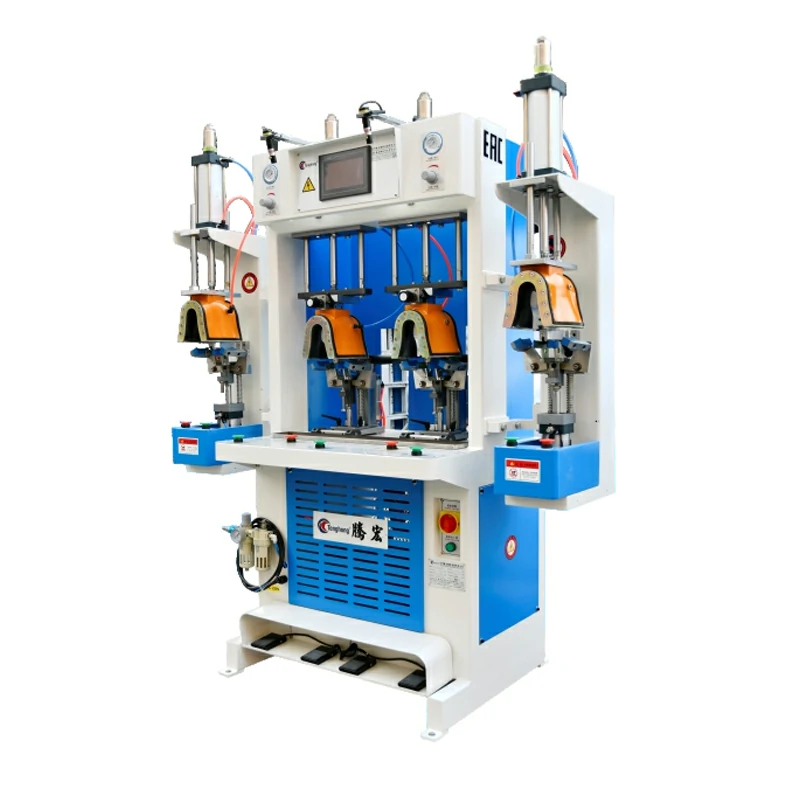
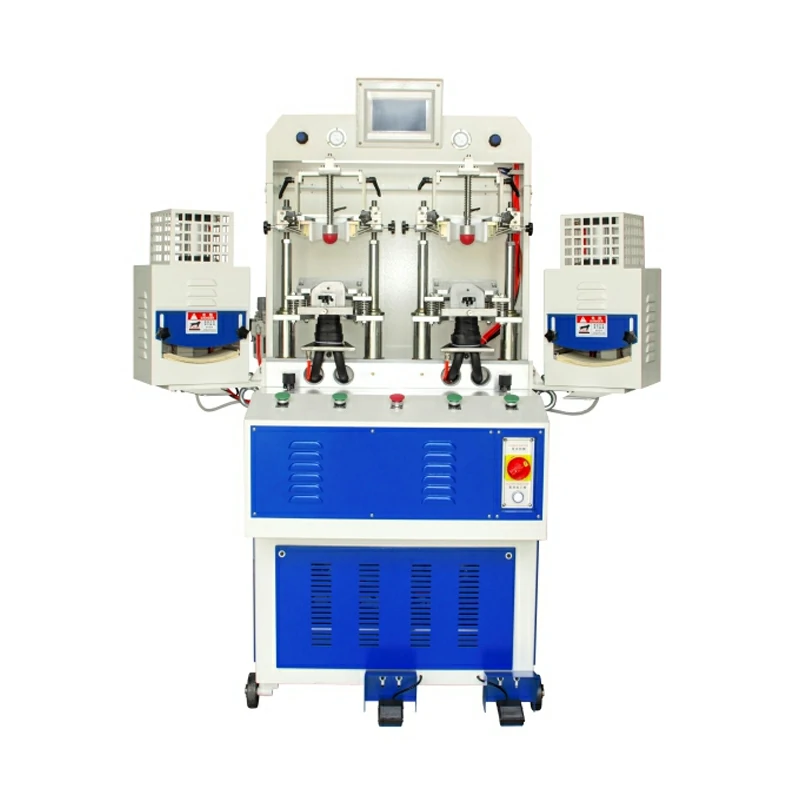
Toe lasting is a clear example. A computer-controlled toe lasting machine with automatic cementing can store the settings of different lasts, so a style change does not force the operator to reset every axis by hand. Side and heel seat lasting follow the same logic. Parameters that used to be trial and error become repeatable, which is the first measurable step toward a connected line.
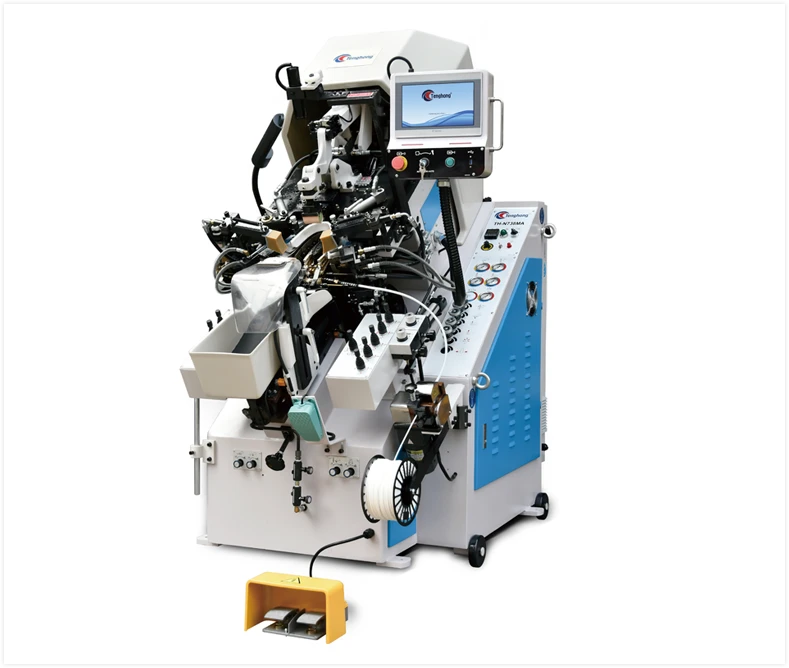
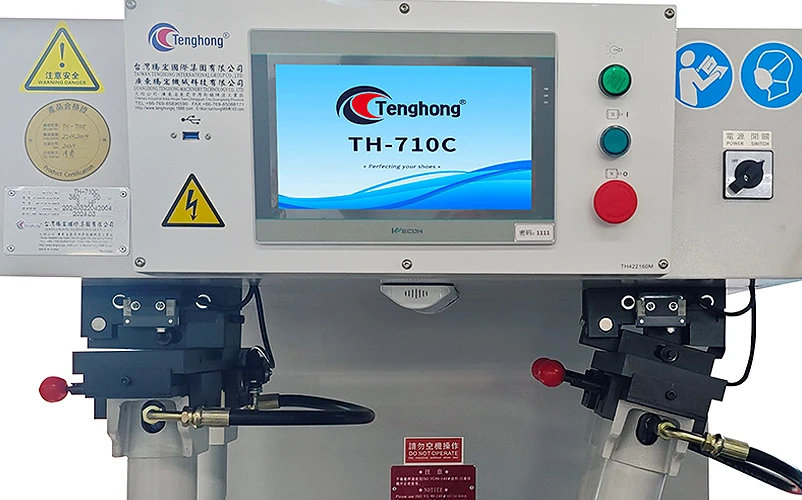
Sole attaching is the second candidate. A sole attaching pressing machine bonds the sole to the lasted upper under controlled pressure, and models with digital control and monitoring let the operator set pressure and dwell time and keep a record for each order. That record makes rework traceable and turns quality discussions from anecdotes into concrete data.
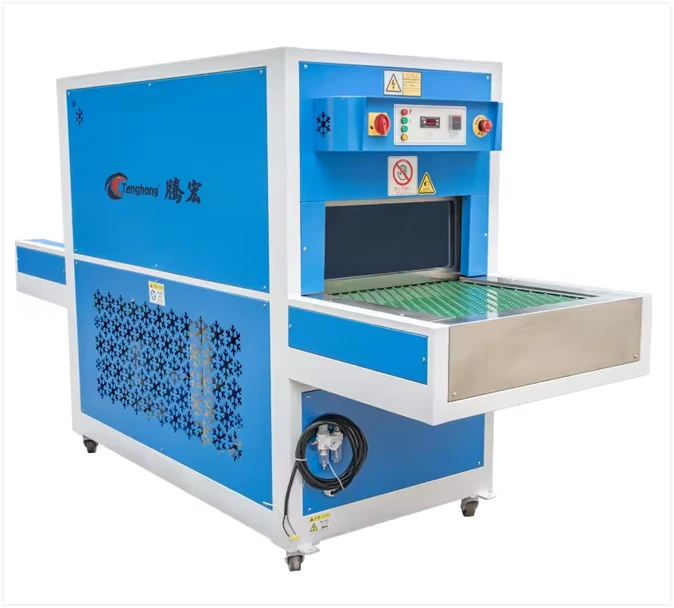
Material flow links these stages together. On an automated sneaker production line, conveyors carry the shoe from lasting to sole attaching and beyond, reducing the manual handling that creates variation in a conventional workshop.
What to Evaluate Before Automating a Line
Automation decisions should start with the factory’s own conditions. These factors determine which machine configuration is worth the investment:
- Product type and mix. Running one sneaker style in high volume differs from short batches of leather or safety shoes, and automation pays off differently in each case.
- Current bottlenecks. Identify the station that limits daily output. Automating a station that is not the constraint will not increase production.
- Retrofit versus new equipment. Some machines can be upgraded with new control and monitoring systems; others need replacement. The supplier should state which applies to your models.
- Data compatibility. Confirm how the machine records output and faults and whether that data can be exported to the MES or ERP system the factory already uses.
- Training and support. Computer-controlled machines change the operator’s job. Check the training scope and the supplier’s response time for spare parts and service.
The correct configuration depends on the application. A cemented sneaker line and a Goodyear welted line do not share the same machine set, so compare options against your own styles and materials before ordering.
Practical First Steps
For an existing factory, the transition to Industry 4.0 in shoemaking is easier to manage in stages:
- Map the current material flow from cutting to finishing and note where work piles up.
- Choose the single station that limits output or causes the most rework.
- Record a baseline of output per shift, setup time per style change and defect reasons before changing equipment.
- Ask the supplier how the proposed model stores settings and reports cycles, and whether it fits the existing line layout.
Conclusion
Industry 4.0 in shoemaking is not an all-or-nothing rebuild. As outlined above, it begins when computer-controlled machines, such as a lasting machine with stored settings or a digitally monitored press, exchange data with the rest of the line, so output can be measured, compared and adjusted instead of managed from memory. Lasting and sole attaching usually receive attention first, because both are machine-driven stages that gain directly from repeatable control and recorded cycles. Before automating, a factory should weigh its product mix, identify the station that really limits output, compare retrofit with new equipment, and confirm data compatibility with the systems it already uses. The practical route is to start with one station: map the material flow, record a baseline of output and defects, select the single bottleneck station, and verify with the supplier that the machine can store settings and report cycles in the way the management team needs. Once that first station proves its value, the same logic can be extended step by step across the line.
If you are planning an upgrade, start the conversation with the shoe types you run and your target output. TengHong’s engineers can recommend which stations to automate first and how to configure a line around your factory layout. Describe your application requirements to TengHong’s engineering team and compare configurations before you commit.
FAQ
What is Industry 4.0 in shoemaking?
Industry 4.0 in shoemaking is the use of computer-controlled, connected machines and production data across the factory floor so that line performance can be monitored and improved continuously. It does not require a fully automated, staff-free factory.
Do I need a new factory to apply Industry 4.0?
No. Many existing plants apply it gradually by upgrading machine controls, adding conveyors and collecting output data. The workable path depends on the age and condition of the current equipment.
Which shoemaking stages are usually automated first?
Machine-driven stages such as cutting, lasting and sole attaching are typically automated first, because programmable control makes their settings repeatable. Stitching and other assembly steps remain partly operator-assisted in most factories.
How should a factory start the transition?
Start with one bottleneck station, record a baseline of output and defect reasons, and verify with the supplier that the machine can store settings and report cycles in the way your management team needs.