A smart shoe factory is one in which machines do more than run a programmed cycle: they also report what they are doing, cycle by cycle and shift by shift. IoT is the layer that makes this reporting possible, sensors and controllers that send operating data to a screen, a record, or a supervisor’s review. For a footwear manufacturer the payoff shows up as repeatable quality, traceable production, and decisions based on records instead of memory. This article explains what a smart shoe factory looks like on the floor, which data matters, which machines become “smart” first, and how to start without replacing the whole plant.
What Is a Smart Shoe Factory?
A smart shoe factory connects three things that are usually separate in a conventional workshop: the machine, the operator, and the production record.
- Sensing and control. The machine is programmable: pressure, temperature, time, adhesive path and pincer sequence can be saved as a recipe for each shoe style.
- Connectivity. The machine can pass its status somewhere useful, such as cycle count, finished cycles, alarms or stoppages.
- Data use. Records can be reviewed by shift, by style or by machine, turning quality discussions into factual ones.
Automation alone does not make a factory smart. A machine that runs a fixed cycle automatically is automated; when it also stores settings per style and reports output and stoppages, it becomes part of a smart shoe factory. The difference is data.
What IoT Data Actually Comes From the Factory Floor?
Useful data on a shoe line is usually simple. Most factories can collect these types without a major software project:
- Cycle and output counts. Pairs or operations per station per shift, counted by the machine instead of by hand.
- Saved settings and recipes. The parameters of a known-good run, stored under the style name so the next run starts from a proven point.
- Stoppages and alarms. Which machine stopped, for how long, and what triggered it, such as adhesive supply or adjustment.
- Quality-related records. Key parameters such as pressing pressure and dwell time kept per order, so a later problem can be traced to the settings used.
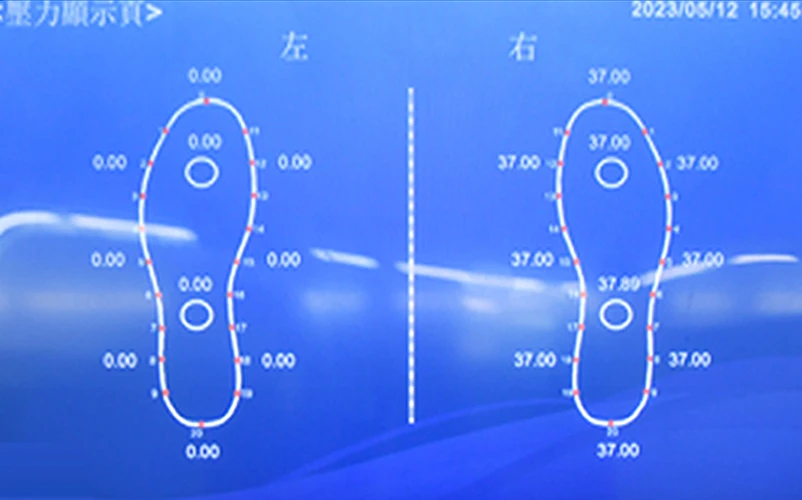
Most of this data becomes useful only when it is visible. Digital control and monitoring screens show the operator cycle status and live parameters at the workstation, and give a supervisor the same view without walking the line.
Which Machines Become “Smart” First?
Within the shoe manufacturing process, lasting and sole attaching gain the most from machine control, because these operations depend on repeatable pressure, timing and adhesive application.
Computerized toe lasting machines with computer memory save the pincer sequence and cementing parameters of each style, so the settings are recalled when the style returns instead of being rebuilt by trial.
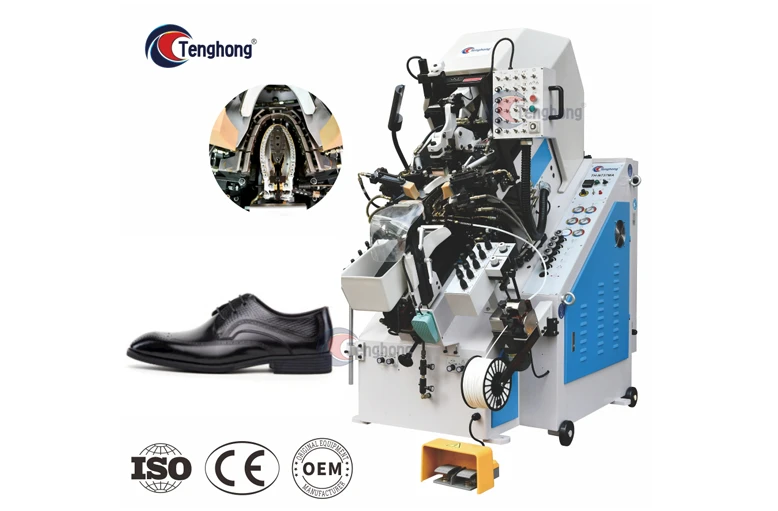
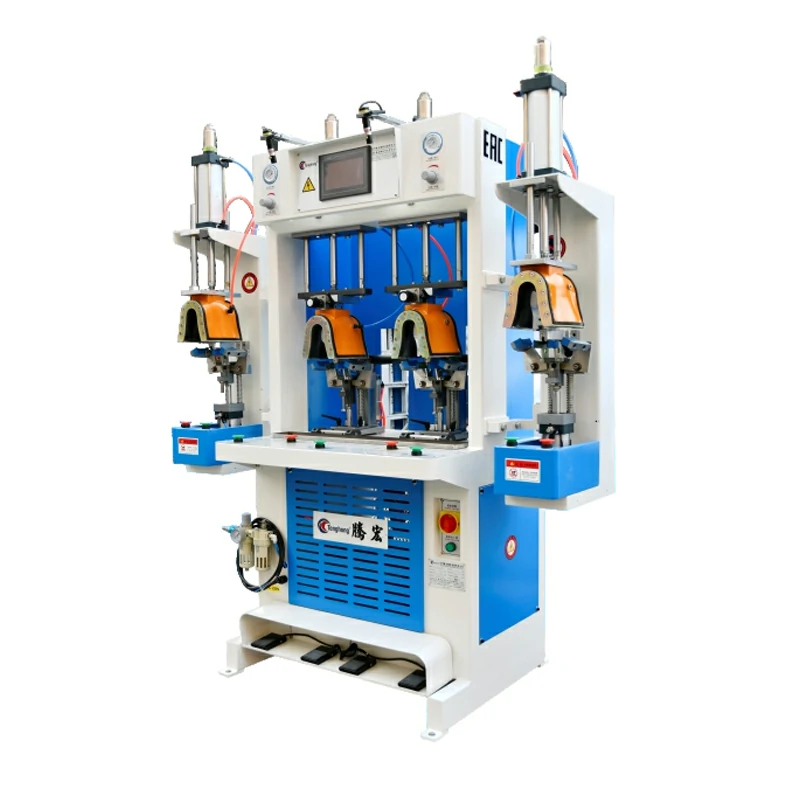
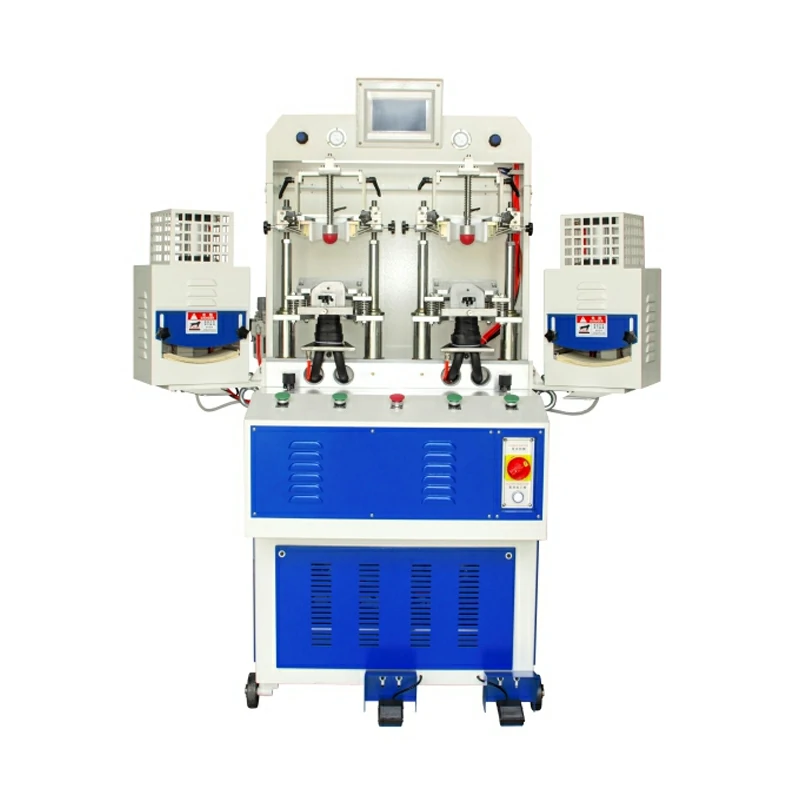
Sole attaching pressing machines with digital control and monitoring apply the sole under a set pressure and dwell time and keep a record per order. Rework, when it happens, can be traced to a concrete setting rather than discussed as an impression.
Adhesive delivery has followed the same path: automated glue application keeps the amount and path of adhesive consistent from pair to pair, removing a common source of variation in lasting.
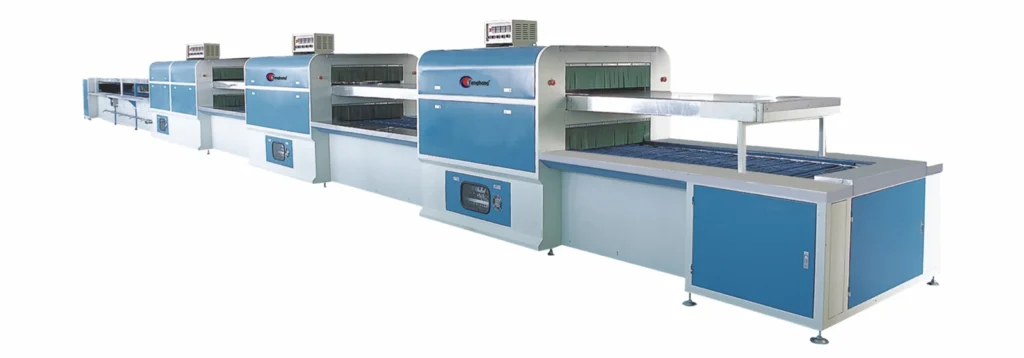
The larger step is connecting these stations into a line. On an automated sneaker production line, conveyors carry the shoe from lasting to sole attaching and beyond, so machine data describes one continuous flow instead of isolated islands.
A Practical Path to a Smarter Factory
Moving toward a smart shoe factory is a sequence of small steps rather than a single project:
- Pick one bottleneck workstation. Choose a machine that is adjusted often or stops frequently, and confirm whether its control system can save settings and record cycles.
- Make its data visible. Connect a monitoring screen or an electronic record so the operator and supervisor see the same numbers for output, settings and stoppages.
- Link the material flow. Add conveyors or better work-in-process handling between stations so the line runs as one flow.
- Base the next decision on the records. After a few weeks, review which styles cause the most stoppages and which station needs attention, then plan the next machine.
A smarter factory does not require a new building or a full line replacement. Whether an existing machine can be retrofitted or should be replaced depends on its control system; the supplier should confirm this for your specific models.
Conclusion
A smart shoe factory is built one workstation at a time. The value is not the technology itself but what it allows a factory to do: repeat the settings of a known-good run, trace a quality problem to the machine data behind it, and choose the next machine from records rather than opinion. If your lasting or sole attaching stations are still adjusted by trial, that is the clearest place to begin.
Readers planning a broader upgrade can start with our overview of Industry 4.0 in shoemaking. For a concrete plan, tell TengHong’s engineering team which shoe styles and target output you work with; they can advise which machines store and report the parameters you need, and how to lay them out as a connected line.
FAQ
What is the difference between automation and a smart shoe factory?
Automation runs a programmed cycle without an operator. A smart factory adds a data layer: the machine reports cycles, settings and stoppages, so production can be reviewed and improved.
Do you need new machines to start?
No. Machines with computer control and data output can already participate. Older machines may need to be retrofitted or replaced, depending on their control systems.
What data should a factory collect first?
Output counts, saved settings per style, and stoppage reasons from one or two key workstations. That is enough to show where the line loses time.
Is becoming a smart factory a long process?
It is gradual rather than a single event. Most factories begin with one workstation and extend the approach as the records prove useful.