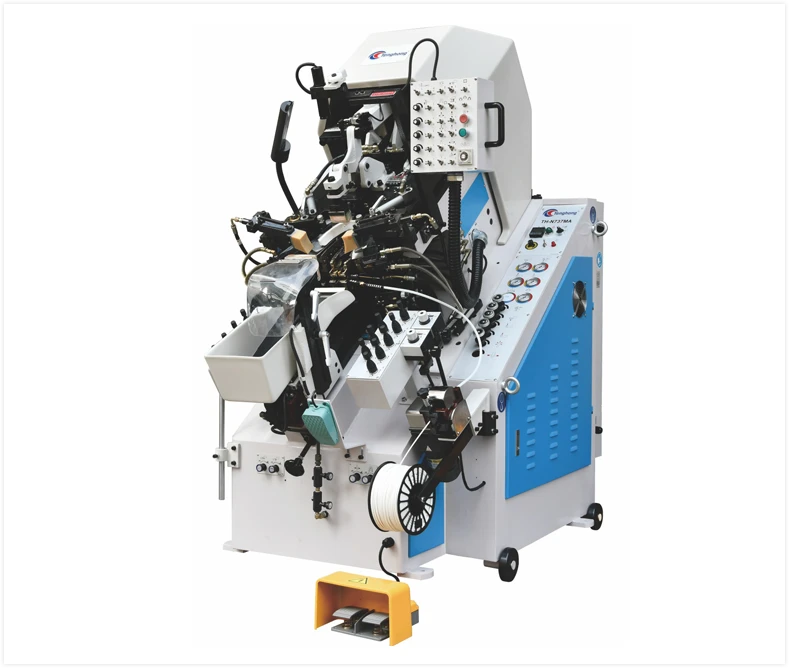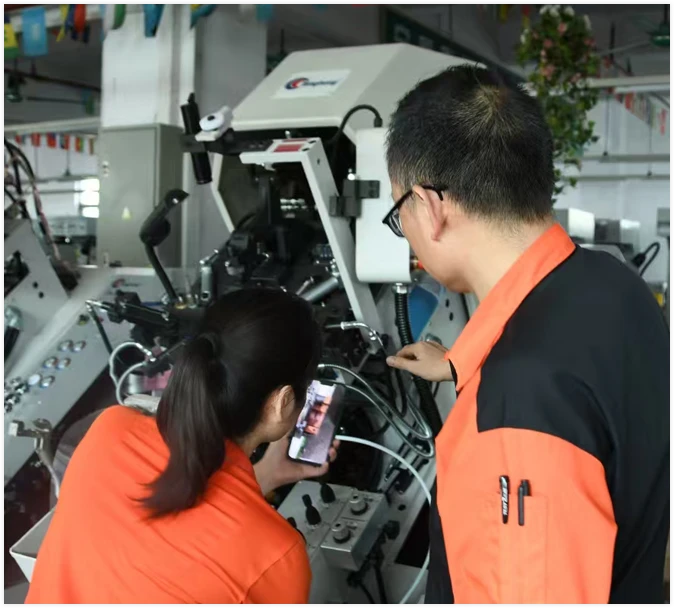
Transitioning a footwear assembly line from manual or semi-manual lasting to an automated setup centers largely on a single machine: the toe lasting station. Upgrading to a modern automatic toe lasting machine eliminates operator-dependent variance in upper tension, stabilizes margin widths, and reduces adhesive waste. For factory owners and production managers evaluating this transition, the decision hinges on mechanical precision, recipe programmability across mixed shoe styles, and realistic capital payback periods. This guide examines how computerized lasting systems operate, how they compare mechanically to legacy equipment, the infrastructure required for factory integration, and the technical criteria essential for evaluating machinery suppliers.
The Automation Imperative: Why Modern Shoe Factories Are Rethinking the Lasting Room
In conventional footwear manufacturing, the lasting room accounts for the highest concentration of skilled manual labor and the highest rate of cosmetic defects. The toe lasting step—pulling the upper tightly over the shoe last and bonding it to the insole featherline—requires simultaneous control over material elasticity, clamping tension, adhesive spread, and wiper pressure.
When performed manually or with aging mechanical equipment, this step introduces persistent production bottlenecks:
- Pincer Tension Inconsistencies: Human operators pull leather or synthetic uppers with varying force throughout a shift, resulting in asymmetrical toe caps, skewed centerlines, and mismatched pairs.
- Adhesive Degradation and Overflow: Manual cement application or outdated hot-melt valves often cause glue starvation (causing delamination) or glue overflow (requiring secondary labor to clean before finishing).
- High Operator Turnover Risk: Mastering a manual toe lasting station requires months of hands-on experience. When seasoned operators leave, daily line throughput drops sharply until replacements are trained.
- Excess Rework Costs: Reworking a poorly lasted toe often damages the upper material, turning first-quality inventory into scrap or downgraded stock.
Integrating advanced toe lasting machine technology replaces manual pulling variables with programmable servo-hydraulic sequences. By standardizing gripping angles, pulling strokes, and wiper trajectories, manufacturing plants convert their most volatile workstation into a predictable, repeatable process.
Manual vs. Automatic Toe Lasting: Engineering, Precision, and Output Differences
Understanding the operational differences between manual, semi-automatic, and fully automatic lasting setups clarifies why shoe factories shift away from mechanical levers toward computerized automation.
Mechanical Gripping vs. Multi-Axis Computerized Control
Manual and semi-automatic lasting stations rely on mechanical linkages where pincer depth and tilt are adjusted manually via set screws and hand levers. If a production batch changes from thick calfskin to thin athletic mesh, a technician must physically reset every pincer position.
Modern automated machinery employs independent pincer assemblies controlled via multi-axis pneumatic or hydraulic actuators. Each pincer’s pulling angle, sequence, and tension can be adjusted digitally:
| Evaluation Criteria | Manual Lasting / Hand Pulling | Semi-Automatic Hydraulic Machine | Automatic Toe Lasting Machine |
| Pincer Adjustment | Completely manual; depends on hand tools and physical pull. | Mechanical adjustment nuts with collective hydraulic pull. | Independently programmable pincers with automatic positioning. |
| Toe Cap Symmetry | Low consistency; shifts with operator fatigue. | Moderate consistency; requires periodic mechanical recalibration. | High consistency; repeatable digital pincer paths. |
| Adhesive Application | Manual brush or external roller applicator. | Fixed-nozzle injection; rigid glue track. | Micro-stepping programmable glue path tailored to last contours. |
| Style Changeover Time | 30–45 minutes per lasting station. | 20–30 minutes (requiring mechanical adjustment). | Rapid recall via touchscreen recipe memory. |
| Material Scrap Rate | High risk of over-stretching and grain tearing. | Moderate risk during line start-up and trial runs. | Minimal; controlled tension limits prevent material rupture. |
By automating the synchronization between the upward push of the shoe last, the inward pull of the pincers, and the advancing stroke of the wipers, factories eliminate the human error inherent in multi-step mechanical coordination.
Key Digital Features to Look for in a Modern Toe Lasting Machine
Evaluating an automatic toe lasting machine requires looking beyond external frame construction to examine the programmable control systems and mechanical assemblies directly responsible for shaping accuracy.
Programmable Pincer Systems and Pressure Customization
Different upper materials require distinct tension profiles. Natural full-grain leather demands firm, progressive tension to distribute natural grain elasticity, while synthetic knit meshes require lower, uniform tension to prevent fiber rupture.
A modern computerized machine should offer:
- Independent Pincer Movement: Pincers that can pivot, shift inward or outward, and adjust pulling depth independently across the medial and lateral sides of the last.
- Multi-Stage Pressure Regulation: The ability to program a two-step or three-step pulling cycle—starting with light tension for initial positioning, followed by firm tension for lasting, and slight relaxation before the wipers engage to prevent tearing.
- Quick-Release Pincer Clamps: Tool-less or single-bolt designs that allow rapid replacement of worn pincer jaws without taking the machine offline for extended periods.
Touchscreen HMI and Recipe Memory for Fast Style Changeovers
With footwear brands placing smaller, more frequent production orders across multiple SKUs, lasting machines must switch styles rapidly.
- Recipe Storage (PLC Memory): Advanced controllers allow technicians to store hundreds of shoe last profiles. When switching styles, the operator selects the corresponding profile on the touchscreen interface, and the machine automatically repositions pincers, sets wiper height, and configures the glue extrusion profile.
- Real-Time Diagnostics: Digital interfaces display operational statuses, hydraulic oil temperatures, operating pressures, and valve faults, simplifying routine troubleshooting.
Precision Wiper Assemblies and Adhesive Delivery
The wipers compress the upper margin against the insole while the hot-melt adhesive sets. Essential wiper features include:
- Heated Wiper Plates: Integrated heating elements with precise digital temperature control to keep the thermoplastic adhesive molten during the initial wiper stroke, followed by sustained dwell pressure to ensure complete bonding.
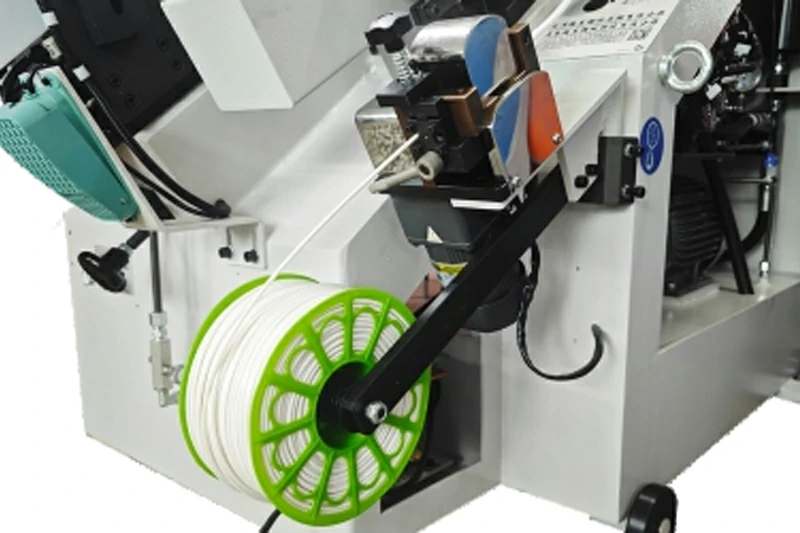
- Synchronized Glue Applicator: A motorized or servo-driven glue injector that maps the peripheral contour of the insole toe area, laying down an exact bead of hot melt without stringing or excess build-up.
Calculating the ROI: Is Upgrading Your Lasting Line Economically Viable?
Investing in an automated lasting unit represents a significant capital expenditure. Determining whether this upgrade makes financial sense requires measuring direct labor reduction, material scrap recovery, and downstream assembly efficiency.
| Impact Dimension | Operational & Engineering Improvements | Key Benefit |
| Direct Labor Savings | • Replaces 1 to 2 manual pulling stations per shift • Reduces dependency on scarce, highly paid master lasting artisans | Lowers per-pair direct labor overhead and training cycle times |
| Material Scrap Reduction | • Eliminates upper tearing and grain distortion caused by uneven manual pulling • Prevents adhesive spillage and glue overflow on visible shoe margins | Maximizes material utilization and boosts First-Pass Yield (FPY) |
| Downstream Line Flow | • Produces uniform, symmetrical toe profiles across every batch • Accelerates subsequent side lasting and heel lasting operations | Eliminates bottlenecks and maintains continuous conveyor pacing |
| Net Operational Payback | Payback Horizon: Typically 8 to 18 months (dependent on local labor costs, shift frequency, and volume) Defect Reduction: Significant decline in post-lasting rework and cosmetic rejections | Rapid capital recovery with measurable gross margin expansion |
Direct Labor Savings vs. Equipment Capital Expenditure
A single automated machine often replaces the output of multiple manual pulling stations. While a manual production cell might require multiple operators to pull, tack, and cement uppers to keep pace with the assembly conveyor, one operator running an automated unit can maintain continuous throughput. In regions with rising factory wages or severe skilled labor shortages, reducing head count per lasting line directly lowers overhead costs.
Material Scrap Reduction and Quality Rejection Rates
In high-volume manufacturing, the economic cost of lasting room scrap often exceeds labor expenses.
- Upper Rupture Recovery: Manual pulling frequently tears delicate leathers or fractures synthetic laminates around the toe cap seam. Automated tension limiters stop pulling before reaching material tensile limits.
- Reduced Adhesive Consumption: Precision metered hot-melt nozzles use exact glue volumes, preventing nozzle drip and reducing adhesive consumption per pair compared to manual application.
Note: While many mid-to-large footwear plants achieve full equipment payback within 8 to 18 months, exact timelines vary based on local labor rates, operating hours, production volume, and material costs.
Implementation Blueprint: How to Transition Your Plant Without Production Downtime
Introducing an automated machine into an active footwear factory requires preparation to avoid halting output. Successful implementation involves infrastructure verification, workflow alignment, and operator adaptation.
Floor Space, Power, and Pneumatic Infrastructure Requirements
Before uncrating an automated lasting unit, plant engineers must verify that utility supply lines meet the machine’s operating criteria:
- Electrical Supply: Verify stable incoming voltage and phase balance. Electronic control systems and PLC units are sensitive to voltage fluctuations; a dedicated voltage stabilizer may be necessary in industrial zones prone to brownouts.
- Compressed Air Quality: Automated pneumatic valves require clean, dry air. Air lines should feature a dedicated refrigerated air dryer and particulate oil-water separators. Moisture in pneumatic cylinders causes sticking valves and erratic pincer timing.
- Hydraulic Oil Conditioning: For hydraulic-driven lasting machines, use high-grade anti-wear hydraulic oil. Ensure the hydraulic circuit is flushed and filled in a dust-free environment, and verify that the oil cooler (air-cooled or water-cooled) is connected before commissioning.
Step-by-Step Production Line Integration
- Offline Last Verification (Pre-Installation): Digitize and record the mechanical profiles of your factory’s top five highest-volume shoe lasts. Determine pincer arrangements and wiper plates suited to those last profiles.
- Utility Pre-Drop: Install electrical drops, air manifolds, and exhaust ducting (for adhesive vapor extraction) at the designated station footprint before equipment delivery.
- Pilot Cell Calibration: Run the new machine offline or alongside the existing manual line. Last 500–1,000 pairs of trial uppers to dial in tension thresholds, glue temperature settings, and wiper heights without impacting daily order fulfillment.
- Operator and Maintenance Staff Training: Train current line workers on safety light curtains, HMI menu navigation, and daily grease points. Familiarize maintenance technicians with hydraulic pressure relief adjustments and solenoid diagnostic indicators.
- Full In-Line Cutover: Swap the legacy station with the automated unit over a weekend or planned shift maintenance window to ensure smooth commercial production on Monday morning.
B2B Procurement Guide: How to Select the Right Toe Lasting Machine Manufacturer
Selecting an industrial machinery partner involves evaluating equipment durability, component sourcing transparency, and international aftermarket support. When comparing machinery builders, use this structured evaluation framework.
Technical and Build Quality Checklist
- Frame Rigidity and Casting Quality: Lasting involves tons of hydraulic clamping force. Inquire whether the main frame uses stabilized nodular cast iron or heavy stress-relieved welded steel plate to prevent structural deflection over years of continuous cycling.
- Core Component Sourcing: Review the bill of materials for key sub-components. Reliable manufacturers use internationally recognized brands for critical electrical and hydraulic parts (such as Omron, Schneider, Yuken, or Rexroth). Readily available commercial components ensure local replacement parts can be found years later.
- Safety Interlocks: Ensure the machine is equipped with dual-hand start buttons, emergency stop kick plates, and sensitive optical safety light curtains to protect operators during rapid wiper strokes.
After-Sales Service and Customization Capabilities
- Shoe Last and Pincer Customization: Standard pincer profiles do not fit all footwear categories equally. Work with a manufacturer that customizes pincer contours, wiper curvature, and support plates for specialized footwear—including safety work boots with steel toes, children’s shoes with tiny radii, or pointed dress shoes.
- Technical Documentation and Remote Diagnostics: Confirm that the manufacturer provides detailed hydraulic schematics, electrical wiring diagrams, and comprehensive parts exploded views in clear English. Modern control panels with remote Ethernet or Wi-Fi diagnostics can save days of downtime by allowing manufacturer engineers to troubleshoot software or PLC issues remotely.
Factory managers seeking balanced performance and practical durability can explore industrial options such as the Tenghong toe lasting machine, designed to handle both standard athletic profiles and heavy leather footwear within automated assembly lines.
Key Takeaways
- Process Stabilization: Replacing manual toe pulling with an automatic toe lasting machine standardizes upper tension and perimeter featherline bonding, significantly reducing cosmetic rejection rates.
- Material Flexibility: Modern machines use multi-axis programmable pincers and digital recipe memory, enabling fast changeovers across leather, synthetic, and knit footwear.
- Measurable Payback: Return on investment is driven by reduced lasting station labor, minimized material tearing, and optimized adhesive consumption.
- Infrastructure Essentials: Successful deployment relies on clean, dry pneumatic air lines, stable electrical power, and pre-calibrating shoe last dimensions before full line integration.
- Supplier Selection: Prioritize equipment builders that utilize globally recognized hydraulic/electrical components, provide clear engineering documentation, and offer pincer and wiper customization for unique shoe geometries.
Frequently Asked Questions (FAQ)
Can an automatic toe lasting machine handle delicate upper materials like genuine leather or ultra-thin flyknit mesh?
Yes. Modern machines feature multi-stage pressure adjustments that allow technicians to set gentle initial pulling pressures for delicate materials. Pincers can be fitted with smooth or rubber-coated jaws to prevent marring fine leathers, while digital tension limits prevent tensile failure on lightweight knit meshes.
What daily maintenance routine is required for a hydraulic toe lasting machine?
Daily maintenance includes inspecting and draining the pneumatic air filter bowl, checking the hydraulic oil level and operating temperature, clearing dried adhesive accumulation from the wiper plates and glue nozzle, and verifying that safety light curtains shut off machine cycling when interrupted.
How many shoe pairs per hour can an automated lasting machine typically achieve?
Actual machine output depends heavily on operator handling speed, upper complexity, and material stiffness. While cycle times are significantly faster and more consistent than manual methods, actual factory throughput should be calculated based on your specific production line layout, shoe style mix, and material handling methods.
What parameters must be confirmed with the manufacturer before ordering a machine?
Buyers should supply the manufacturer with the minimum and maximum shoe size range, heel height variations, toe profiles (e.g., pointed, round, or safety toe cap dimensions), power supply specifications (voltage, frequency, and phase), and the specific type of upper and insole materials intended for production.