The digital transformation of shoe factories shifts production from manual skills to connected machines. Each smart machine shares real-time data across a coordinated routing line.
For factory owners, the key is knowing where to start and which stages give the fastest ROI. This guide explains how to automate step-by-step without shutting down current orders.
What Does Digital Transformation Mean for a Shoe Factory?
Digital transformation replaces isolated manual stations with connected machines and sensors. On manual lines, workers rely on paper sheets, hand counting, and verbal reporting.
On connected lines, machines automatically record cycle times, output, and status. Planners see line progress in real time. Factories can upgrade bottleneck stages first before expanding as budgets allow.
From Manual Workstations to Connected Production Stages
The journey from manual to automated runs along the same sequence every shoe follows: upper preparation, lasting, and sole bonding. Upper preparation in a manual line relies on operators cutting, shaping, and sewing by hand. These stand-alone machines have no data output.
An automated line starts with a cutting machine to define component specifications. Next, a moulding machine shapes the elements, followed by a sewing machine for consistent stitch control. Finally, a roughing and polishing station prepares surfaces for lasting. These stations publish cycle times and output data in real time.
Manual lasting heavily depends on skilled operators. These workers pull the upper over the last by hand or semi-automatic means.
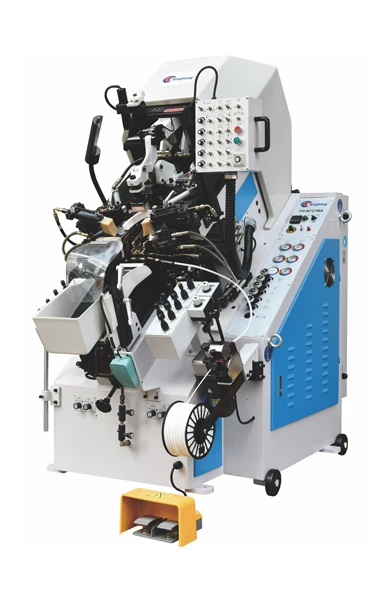
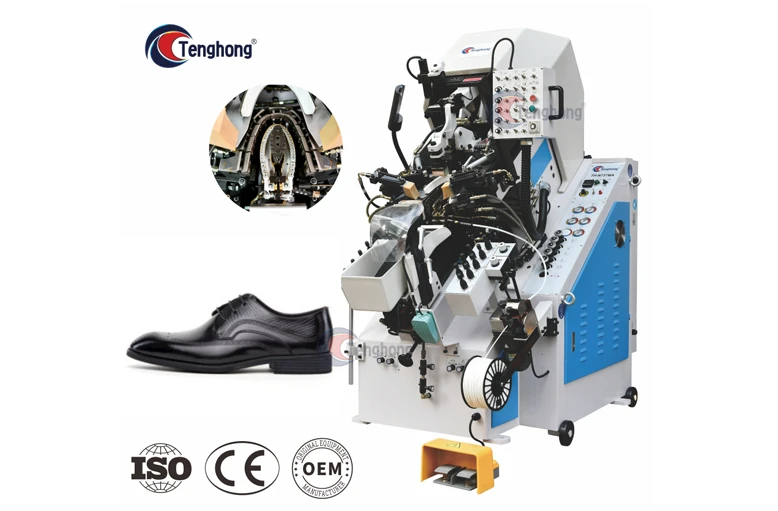
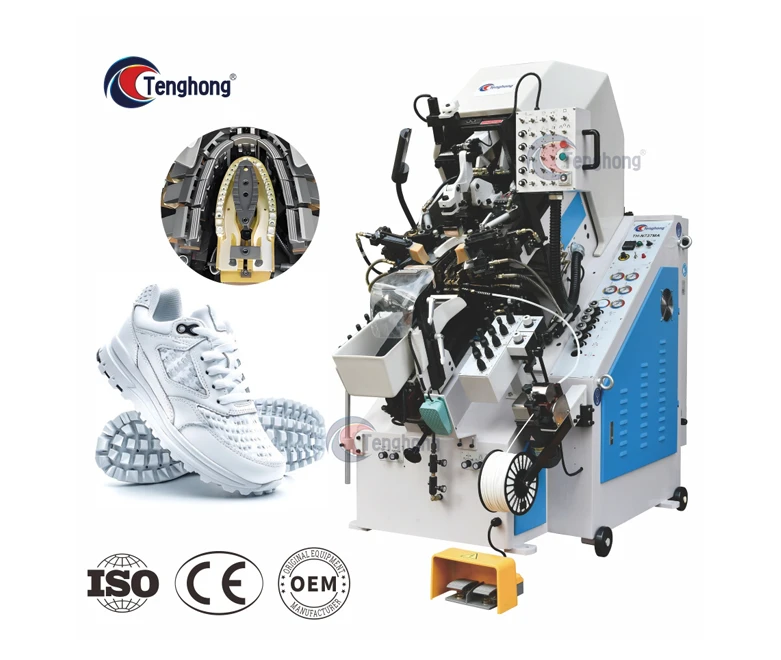
Automation replaces this with a sequential machine process. A toe lasting machine bonds the toe. A side and heel seat lasting machine forms the side and heel. A third heel seat lasting machine finishes the rear. These machines share routing data. An article change triggers instant parameter updates without manual reconfiguration.
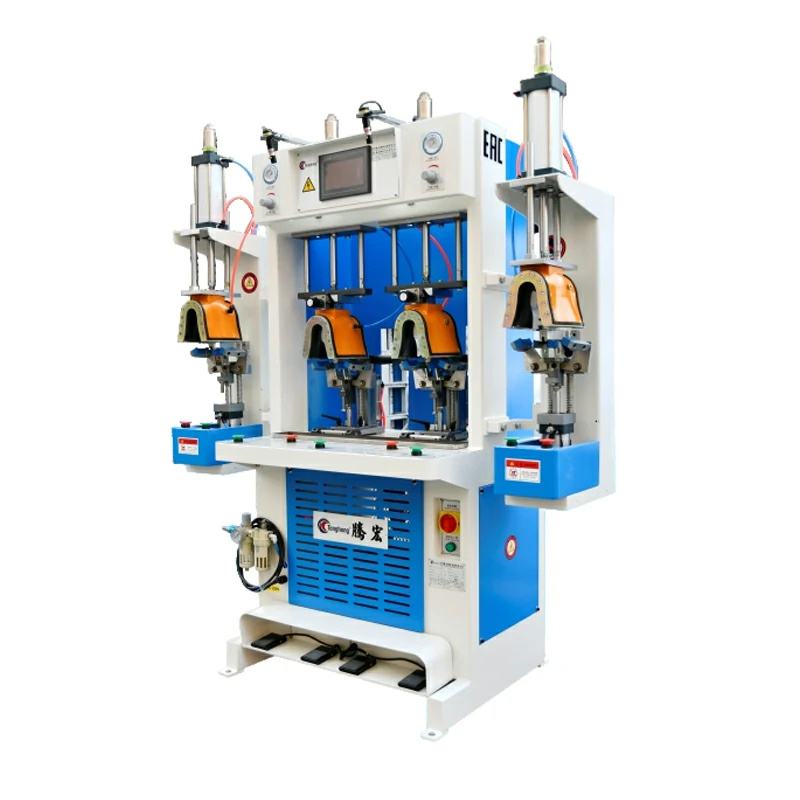
Sole bonding then moves from hand pressing to a dedicated sole attaching pressing machine. It applies precise pressure and temperature. This removes the variability of hand pressing, which is a major cause of delamination issues.
Choosing the Right Automation Starting Point
Deciding where to begin the digital transformation depends on which manual stage generates the most scrap, downtime, or operator dependency. For existing factories, connect current machines to a shared data layer first. New factories should choose a line foundation tailored to their shoe type.
A high-heel women shoes production line handles complex lasting geometries. Selecting the line foundation first keeps the transformation a staged configuration exercise rather than a multi-vendor integration project.
A safety shoes production line provides traceable, consistent cycle times.
A sneaker production line offers fast changeovers for frequent style updates.
A leather shoe production line bridges traditional craft with data systems.
A goodyear shoes production line ensures consistency for premium welted shoes.
Conclusion
The digital transformation of shoe factories moves each production stage from isolated manual work to connected, data-sharing machines. Automation optimizes every footwear stage. Upper preparation gains consistent cycle data. Lasting machines eliminate skill dependencies and speed up reconfigurations. Sole pressing ensures exact pressure to stop delamination.
The right production line foundation ensures a smooth upgrade. Start by mapping your current bottlenecks before investing in new equipment.
FAQ
What is the first step in transforming a manual shoe factory?
Start by mapping the current production line and identifying which manual stage generates the most scrap, downtime, or operator dependency. Existing automated machines should connect to a shared data layer first. This avoids buying unnecessary new equipment right away.
Which production stages should be automated first?
The answer depends on where the manual bottlenecks are. Upper preparation stages deliver the fastest ROI. Cutting, moulding, sewing, and polishing handle high component volumes and show immediate gains. Lasting and sole bonding stages are typically automated next, as they directly affect fit and bonding quality.
Does digital transformation require replacing every machine at once?
No. Factories upgrade one or two bottleneck stages first. They add data collection there and expand as budgets allow.
How does choosing a production line foundation affect the transformation?
Choose a foundation designed for your specific shoe type. This keeps integration simple and avoids complex multi-vendor setup issues.