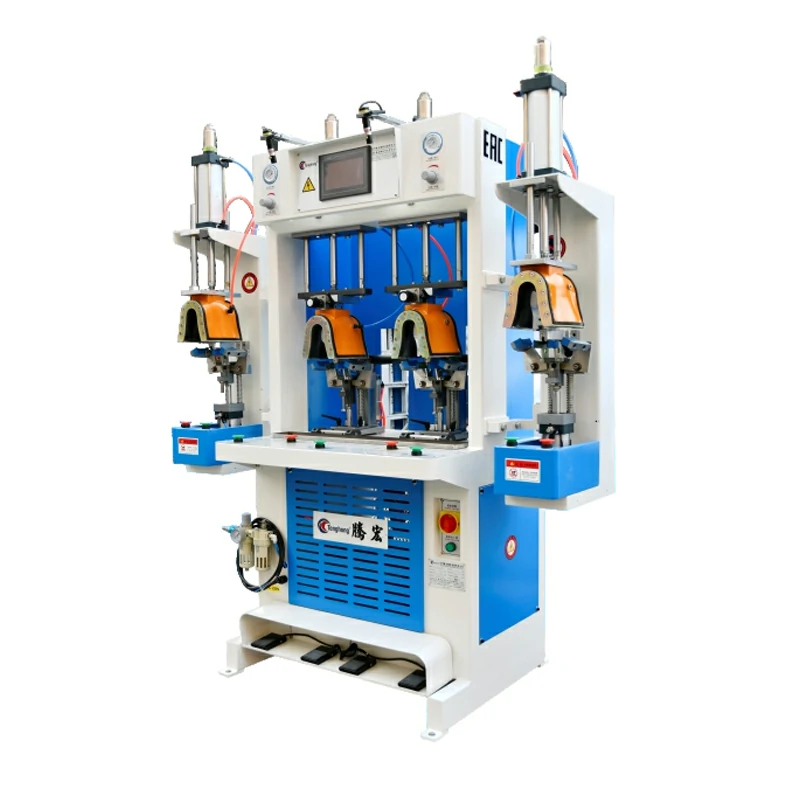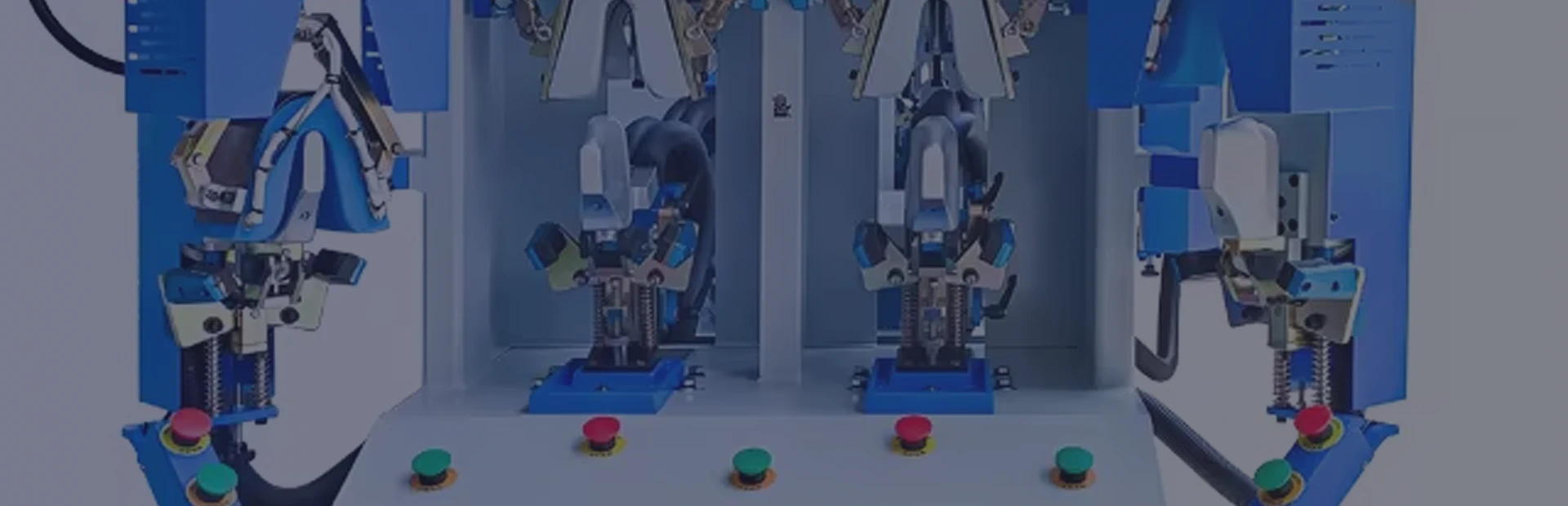
Shoe making machine price is not a single number. A complete footwear production line and a single benchtop unit sit at completely different price points, and even machines that look similar can differ by a wide margin once automation, capacity, and configuration are factored in. The practical way to understand shoe machine cost is to look at what drives it: which production stage the machine serves, how automated it is, what options and customization it includes, the required output, and the support package around it. This guide explains those cost drivers so buyers can read a quotation with confidence and request a realistic price instead of guessing.
Why There Is No Single Shoe Machine Price
A footwear factory is built from many separate machine types, each with its own price range. Asking for a shoe making machine price without specifying the machine is like asking for the price of a vehicle without saying car, truck, or bus. The same word covers a manual cutting machine priced for a small workshop and a multi-station automated line built for mass production. Buyers who understand the structure of a shoe plant can narrow the question and get a usable answer.
The Biggest Cost Driver: Which Production Stage You Are Equipping
Footwear manufacturing moves through distinct stages, and the machine at each stage has its own cost profile. The shoe manufacturing process typically runs from cutting and stitching through lasting and sole attaching to finishing. Cost rises as you move into the more precise, automated stages.
Cutting and Clicking Equipment
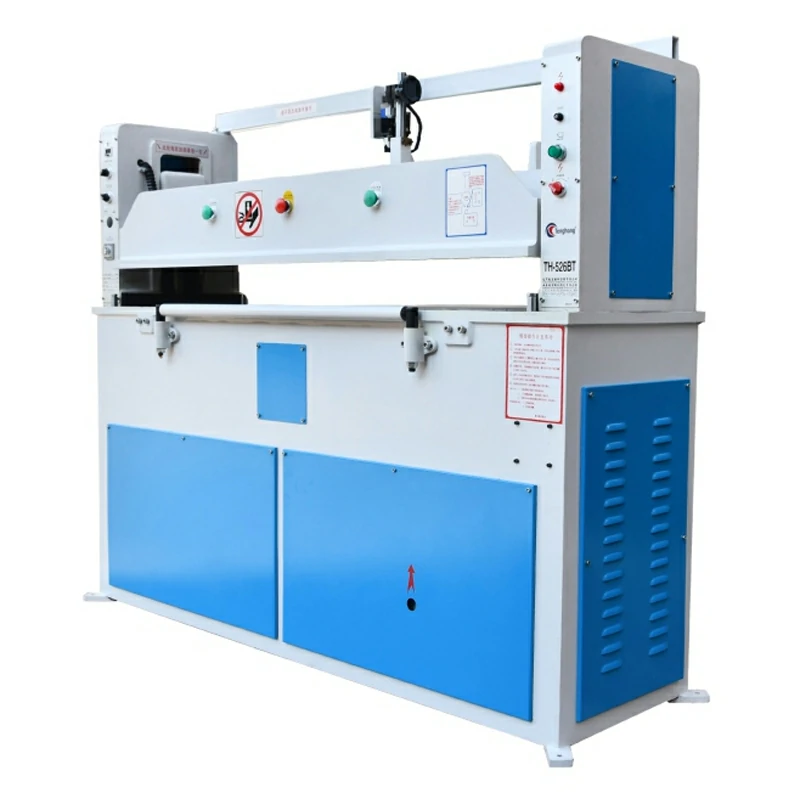
The cutting stage removes upper and lining patterns from sheet material. Entry-level swing-arm or plane cutting machines are mechanically simple, which keeps their price relatively low. Hydraulic plane and beam presses add stable pressure and larger bed sizes, raising cost with capacity. For a new workshop, cutting is usually the first and most affordable major purchase, and it is also the stage where a small mistake in bed size or pressure is cheapest to correct later.
Stitching and Sewing Equipment
Industrial sewing covers flatbed, post-bed, and computer-controlled machines. A standard lockstitch unit is economical, while programmable pattern stitching and servo-controlled machines cost more because of the control system and programming capability. The number of stations a factory needs also multiplies the total budget even when each unit is modest, so stitching cost is best planned as a per-station sum rather than a single figure.
Lasting Equipment
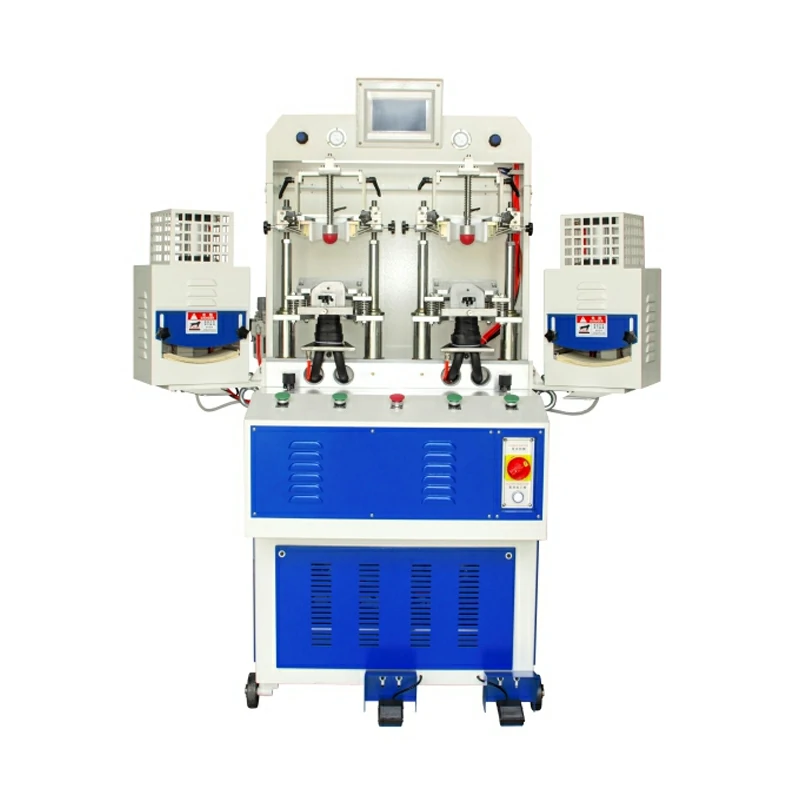
Lasting shapes the upper around the last and is one of the most technical stages. A toe lasting machine alone addresses the toe area, while combined side and heel seat lasting machines cover more of the shoe in fewer operations. Pincers, heating and forming stations, and servo control all add to the price. Forming and setting units such as toe forming machines are priced by the number of cold and hot stations and the control precision they offer, so the same machine family can span a broad range depending on configuration.
Sole Attaching and Pressing Equipment
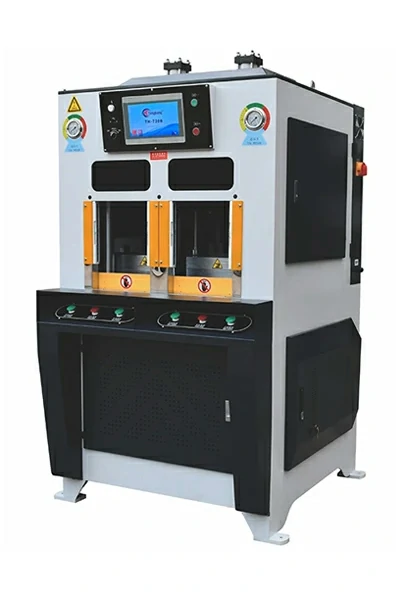
Sole attaching presses bond the outsole to the lasted upper. A sole attaching pressing machine can be a single-station press or a multi-station rotary or conveyor system. More stations, hydraulic or servo pressure control, and bottom-mold options increase both throughput and price. This is often one of the larger single investments in a plant, and it is worth comparing pressure control and mold changeover time closely because they affect daily output.
Finishing, Roughing, and Polishing
Roughing, polishing, and related finishing machines prepare and clean bonded areas. They are generally lower cost than lasting or sole attaching systems, but dust collection, dual heads, and automation still move the number upward. Finishing is also where surface quality is protected, so it should not be treated as an afterthought when budgeting.
Manual, Semi-Automatic, or Fully Automatic
Automation level is the clearest price divider. Manual machines are cheaper to buy and simpler to maintain, but they depend on operator skill and limit output. Semi-automatic machines add powered assistance and repeatability. Fully automatic and robotic cells cost the most upfront yet reduce labor per pair and improve consistency. The right level depends on your target daily output, labor cost, and quality requirement, not on a generic best choice. A workshop making a few hundred pairs per day rarely needs the same automation as a plant shipping thousands.
Configuration and Customization Factors That Move the Number
Two machines with the same name can still carry different prices because of options. The table below lists the factors buyers should check on a quotation.
| Cost Factor | What Changes | Typical Price Impact |
|---|---|---|
| Control system | Relay logic vs servo vs PLC with touchscreen | Low to high |
| Stations and heads | Single vs multi-station, number of pincers or heads | Medium to high |
| Heating and cooling | Cold only vs combined hot and cold forming | Medium |
| Tooling and molds | Standard vs custom last and bottom molds | Low to medium |
| Safety and guarding | Basic vs enclosed, sensor-protected systems | Low to medium |
| Material handling | Manual load vs automatic feed and discharge | Medium to high |
When a supplier quotes a low figure, confirm which of these items are included. A bare machine and a production-ready machine with tooling and safeguards are not the same purchase, and the gap shows up in both price and in how quickly you can reach stable output.
Production Capacity and Line Integration
Capacity is priced in pairs per hour or per shift. A machine built for a few hundred pairs per day is a different engineering target than one built for several thousand. Beyond the single machine, integration matters: conveyors, buffers, and centralized control raise the total investment but improve flow and reduce work-in-progress. Buyers planning a full plant should review the equipment required to set up a shoe factory before fixing a budget for any one machine, because a balanced line avoids paying twice for a bottleneck.
Material and Process Compatibility
The materials you run change the machine you need. Leather, synthetic upper, EVA, PU, and rubber each behave differently in cutting, lasting, and bonding. A machine tuned for one material may need different tooling or settings for another. Stating your full material range up front avoids a price that later requires costly changes, and it is especially relevant when planning lines for specific products such as safety shoes, sneakers, or leather dress shoes, where process steps and tolerances differ.
Build Origin, Brand, and Regional Cost Considerations
Where and how a machine is built affects price through labor cost, component sourcing, and local compliance expectations. A buyer should weigh not only the invoice price but also import duties, freight, and the availability of local service. Established manufacturing regions can offer a stronger balance of price and support, but the deciding factor should be the supplier’s ability to deliver the specification and keep the machine running after commissioning.
After-Sales, Training, Spare Parts, and Total Cost of Ownership
The purchase price is only part of the cost. Total cost of ownership includes installation, operator training, spare parts, consumables, energy, and downtime. A cheaper machine with slow spare-part support can cost more over three years than a better-supported unit. Ask each supplier for the spare-part list, lead time, and what training is included, then compare on lifetime cost rather than sticker price. Energy use and consumable wear are easy to ignore on a quotation yet steady across every shift you run.
How Machine Specification Affects Price
Technical requirements translate directly into cost. Tighter tolerance, specific surface finish, and the ability to handle certain materials all require better components and control. Buyers should define their needs clearly: upper material, sole material, target tolerance, required surface finish, and production volume. Supplying precise specifications lets a supplier quote a machine that fits rather than an overspecified or underspecified one, which is the surest way to control footwear machinery price without sacrificing the result.
Common Misconceptions When Comparing Shoe Machine Prices
Several assumptions lead buyers to wrong conclusions. The first is that the lowest quoted price is the lowest cost; it rarely is once tooling, freight, and support are included. The second is that a higher price always means better quality; specification match matters more than price rank. The third is treating machines by name alone; a 7-pincer and a 9-pincer lasting machine serve different needs and should be compared on function, not label. Reading the quotation line by line prevents these errors and keeps the comparison honest.
A Practical Way to Estimate Your Budget
The table below frames budget by buyer type. Use it to set a planning range before requesting detailed quotations.
| Buyer Profile | Typical Scope | Budget Planning Note |
|---|---|---|
| Small workshop or startup | Manual cutting, stitching, single lasting and pressing units | Lower entry cost, expand later |
| Growing factory | Semi-automatic stations across all stages | Balance cost and output |
| High-volume producer | Automated lines with integrated control | Higher upfront, lower labor per pair |
These are planning categories, not fixed prices. Actual figures depend on the exact configuration you choose, and a realistic estimate only emerges after a supplier sees your specification.
What to Prepare Before Requesting a Quotation
A precise quotation needs precise input. Before contacting a supplier, prepare:
- Target daily or monthly output in pairs
- Upper and sole materials you will process
- Required shoe types and sizes
- Acceptable tolerance and surface finish
- Available floor space and utilities
- Preferred automation level and labor plan
- Destination port and expected lead time
The more specific your technical requirements, the more accurate the shoe equipment price you receive, and the fewer surprises appear during installation.
How to Evaluate a Shoe Machine Supplier
Price alone does not decide value. Evaluate suppliers on specification match, build quality, references, spare-part policy, and response time. Request a clear breakdown of what is included, the warranty terms, and who performs installation and commissioning. A supplier that asks detailed questions about your process is usually a better partner than one that quotes instantly without understanding your needs. Where possible, ask for a reference from a buyer running a similar product and volume so you can verify the machine in a real production setting.
Frequently Asked Questions
What is the average shoe making machine price?
There is no meaningful average because the term covers everything from a single manual cutter to a full automated line. Define the machine type and configuration first, then compare quotations for that specific scope.
Why does the same machine have different prices from different suppliers?
Differences come from control systems, station count, build quality, included tooling, safety features, and after-sales coverage. Always compare specifications line by line, not just the headline number.
Is a fully automatic shoe machine worth the higher cost?
It depends on volume and labor cost. High-output plants usually recover the premium through lower labor per pair and steadier quality, while low-volume workshops may be better served by semi-automatic equipment.
What hidden costs should I include in my budget?
Plan for freight, import duty, installation, training, spare parts, consumables, and energy. These can be a meaningful share of the total investment and are easy to overlook when comparing sticker prices.
How do I get an accurate footwear machinery price?
Send your supplier a clear specification: output, materials, tolerance, sizes, and automation level. A detailed brief produces a comparable, realistic quotation instead of a rough estimate.
Can one supplier provide a complete shoe factory equipment package?
Many footwear machinery suppliers can cover multiple stages, but the exact range varies. Confirm the full equipment list for your process and ask how the machines integrate before committing.
Conclusion
Shoe making machine price is determined by stage, automation, configuration, capacity, and support rather than by a fixed list. The most reliable way to control cost is to define your technical requirements, compare detailed quotations, and weigh total cost of ownership. If you are planning a purchase and want a configuration matched to your output and materials, contact our team with your specification and we will help you scope the right equipment.