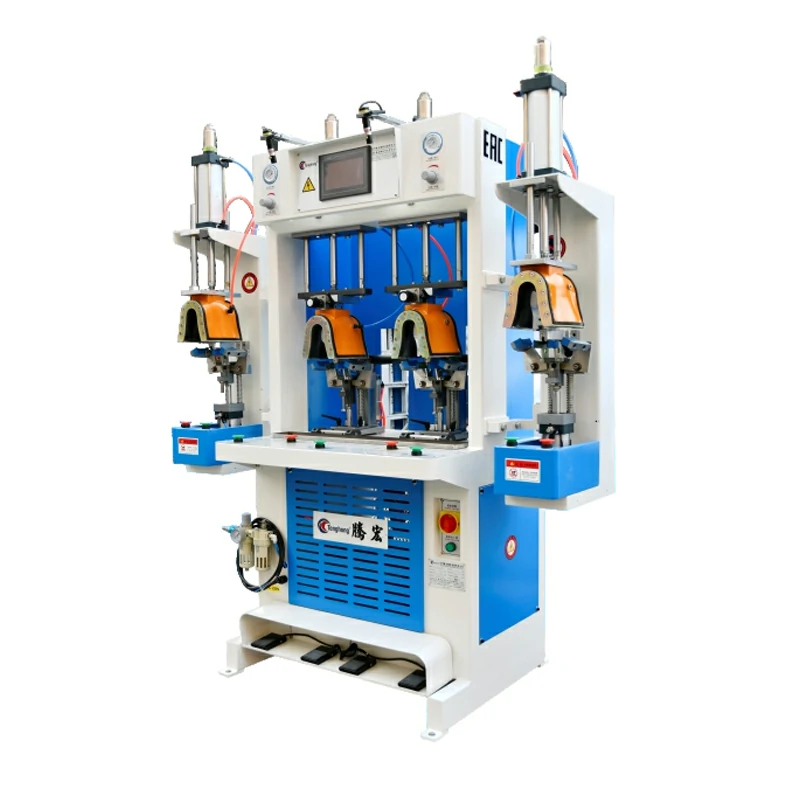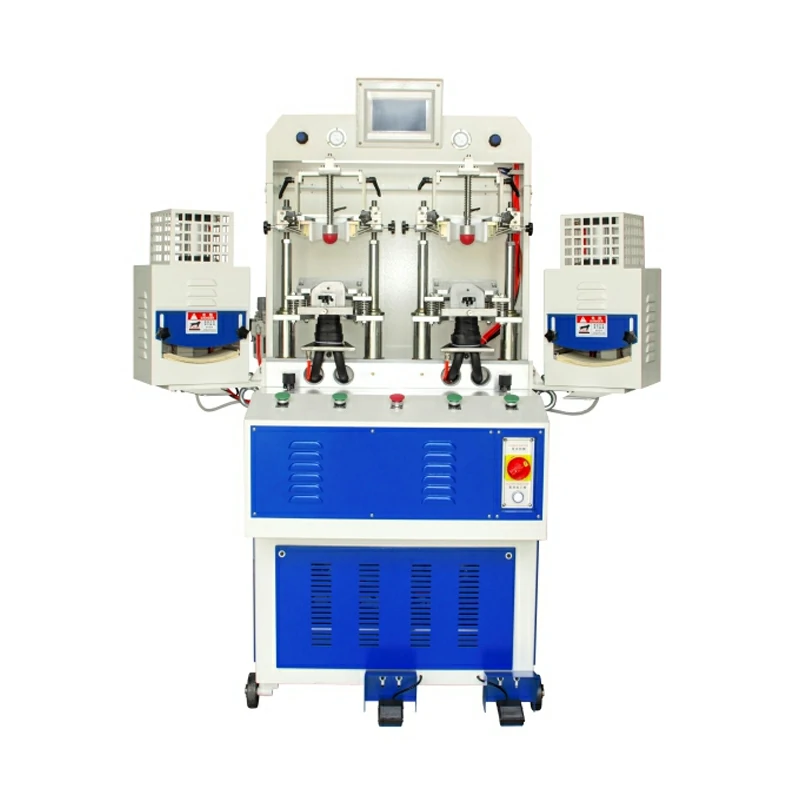
Purchasing shoe making machinery from China can help footwear manufacturers access a wide range of production solutions, but choosing the right supplier requires careful evaluation. Before placing an order, buyers should check the machine specifications, supplier experience, production requirements, technical support, customization capability, and after-sales service.
Before buying shoe making machinery from China, buyers should confirm three key factors: whether the equipment matches their production needs, whether the supplier has reliable manufacturing experience, and whether long-term technical support is available.
For overseas footwear manufacturers, the lowest purchase price should not be the only consideration. A suitable machine should provide stable operation, meet production requirements, and support future manufacturing development.
This guide explains the important points international buyers should check when selecting a shoe machine manufacturer China and how to evaluate a footwear machinery supplier before cooperation.
Why Choosing the Right Shoe Making Machinery Supplier Matters
Shoe manufacturing involves multiple processes, including material preparation, forming, molding, bonding, pressing, and finishing. Different shoe types and production methods require different equipment configurations.
A machine that works well for one factory may not be suitable for another because production requirements can vary depending on:
- Shoe type
- Material characteristics
- Production volume
- Automation requirements
- Factory layout
- Labor availability
- Product design requirements
For example, a factory producing casual footwear may have different machinery requirements compared with a manufacturer producing sports shoes, leather shoes, or specialized footwear products.
Therefore, buyers should focus on finding a supplier that understands footwear production processes instead of simply comparing machine prices.
1. Check the Manufacturer’s Experience and Production Capability
One of the first things buyers should evaluate is whether the supplier is an actual machinery manufacturer or only a trading company.
A professional shoe machine manufacturer China should have:
- Experience in footwear machinery production
- Technical engineers familiar with shoe manufacturing processes
- Production facilities or manufacturing capabilities
- Quality control procedures
- Ability to provide technical communication
Understanding the supplier’s background helps buyers reduce risks during international purchasing.
Before cooperation, buyers can review:
| Evaluation Item | Questions to Ask |
|---|---|
| Manufacturing experience | How long has the company been producing shoe machinery? |
| Product range | What types of shoe making machinery are available? |
| Technical team | Does the supplier have engineers for installation and support? |
| Production capability | Can the supplier handle customized requirements? |
| Previous projects | Can they provide examples of similar applications? |
A supplier’s experience is especially important when purchasing industrial equipment because installation, adjustment, and long-term maintenance require technical knowledge.
2. Confirm Whether the Machinery Matches Your Production Requirements
Before purchasing footwear machinery, buyers should clearly define their production goals.
Important factors include:
Shoe Type
Different footwear products require different production solutions.
Examples include:
- Sports shoes
- Casual shoes
- Leather footwear
- Work shoes
- Slippers
- Sandals
The supplier should understand your product characteristics before recommending equipment.
Production Capacity
Buyers should estimate:
- Expected daily output
- Working hours
- Required automation level
- Future expansion plans
Choosing equipment only based on current production volume may limit future growth.
A suitable machine should balance current needs with possible production expansion.
Material Compatibility
Footwear materials can affect equipment selection.
Common materials include:
- Leather
- Synthetic materials
- Rubber
- EVA
- PU materials
- Textile materials
Before purchasing, buyers should confirm whether the machinery is suitable for their materials and production process.
3. Review Machine Specifications and Technical Details
Technical specifications are an important part of machinery purchasing decisions.
However, specifications should always be evaluated according to actual production requirements.
Important information to check includes:
| Technical Factor | Why It Matters |
|---|---|
| Machine structure | Influences stability and operation reliability |
| Automation level | Determines production efficiency and labor requirements |
| Control system | Affects operation convenience and adjustment |
| Processing capability | Determines whether the machine fits product requirements |
| Maintenance requirements | Influences long-term operating costs |
Buyers should avoid choosing equipment only by comparing individual specifications.
A machine with higher specifications does not always mean it is the right choice. The key is whether it matches the manufacturing process.
4. Understand Customization and Engineering Support
Many footwear manufacturers have unique production requirements.
Standard machinery may not always fully match:
- Product designs
- Factory processes
- Material combinations
- Production workflows
Therefore, buyers should discuss customization possibilities before ordering.
Important questions include:
- Can the machine configuration be adjusted?
- Can the supplier modify equipment according to production requirements?
- Does the supplier provide technical recommendations?
- Can engineers assist with installation and adjustment?
A supplier with engineering capability can help buyers develop a more suitable production solution.
5. Evaluate Quality Control Before Purchasing
Quality control is essential when purchasing industrial machinery internationally.
Before confirming an order, buyers should understand how the supplier manages:
- Component selection
- Assembly process
- Machine testing
- Final inspection
- Packaging and shipping preparation
A reliable supplier should have a clear inspection process before shipment.
Buyers can ask:
- Is the machine tested before delivery?
- Are operation videos available?
- Can inspection records be provided?
- What tests are performed before shipping?
These questions help overseas buyers better understand the equipment condition before receiving the machine.
6. Check Installation, Training, and After-Sales Support
For overseas buyers, after-sales service is one of the most important factors.
Even high-quality equipment may require:
- Installation guidance
- Operator training
- Troubleshooting support
- Spare parts supply
- Technical consultation
Before purchasing, confirm:
| Support Service | Questions to Confirm |
|---|---|
| Installation | Is remote or onsite installation support available? |
| Training | Will operators receive operation guidance? |
| Technical support | How are technical problems handled? |
| Spare parts | Are replacement parts available? |
| Communication | What channels are available for support? |
A supplier’s ability to provide ongoing support can influence the long-term performance of the equipment.
7. Compare Different Suppliers Before Making a Decision
When selecting a footwear machinery supplier China, buyers should compare suppliers based on multiple factors rather than price alone.
A practical comparison method:
| Evaluation Factor | Importance |
|---|---|
| Machine suitability | High |
| Manufacturing experience | High |
| Technical support | High |
| Customization ability | Medium to High |
| Communication efficiency | Medium |
| Price | Medium |
The cheapest option may not always reduce total costs because unsuitable equipment can lead to:
- Additional modifications
- Production delays
- Higher maintenance costs
- Lower efficiency
Common Mistakes When Buying Shoe Making Machinery from China
Choosing Based Only on Price
Price is an important factor, but machinery purchasing is a long-term investment.
A lower initial cost may create additional expenses if the machine cannot meet production requirements.
Not Providing Enough Production Information
Some buyers request quotations without explaining:
- Product type
- Material requirements
- Expected output
- Factory conditions
Without this information, suppliers may not be able to recommend the correct equipment.
Ignoring Technical Support
International machinery purchasing requires communication after delivery.
Ignoring after-sales support can create difficulties when installation or operation problems occur.
Not Checking Supplier Background
Before cooperation, buyers should research:
- Company history
- Manufacturing capability
- Product information
- Communication quality
This helps identify whether the supplier can provide long-term cooperation.
How to Choose a Reliable Shoe Machine Manufacturer China
A reliable supplier should demonstrate:
Professional Product Knowledge
The supplier should understand footwear production processes and provide recommendations based on actual applications.
Clear Communication
Good communication helps avoid misunderstandings about:
- Machine configuration
- Delivery requirements
- Technical specifications
- Installation details
Transparent Cooperation Process
Professional suppliers should clearly explain:
- Equipment details
- Production process
- Delivery procedure
- Support service
For overseas buyers looking for a long-term partner, supplier transparency is an important evaluation factor.
About Selecting a Suitable Shoe Machinery Partner
When sourcing shoe making machinery from China, buyers should evaluate both equipment quality and supplier capability.
TengHong focuses on footwear machinery solutions and provides information about its manufacturing background, products, and technical services through its official website.
Buyers can learn more about the company through the TengHong About Us page and discuss specific machinery requirements through the contact page.
Selecting suitable equipment requires understanding your production goals and working with a supplier that can provide technical communication throughout the purchasing process.
FAQ
1. What should I check before buying shoe making machinery from China?
Before buying shoe making machinery from China, check the supplier’s manufacturing experience, machine specifications, production suitability, customization ability, and after-sales support. These factors help ensure the equipment matches your production requirements.
2. How can I choose a reliable shoe machine manufacturer China?
A reliable shoe machine manufacturer China should have manufacturing experience, technical knowledge, clear product information, and the ability to provide communication and support during equipment purchasing and operation.
3. What information should I provide when requesting a shoe machinery quotation?
Buyers should provide information about shoe type, materials, production capacity, required automation level, and specific manufacturing requirements. This allows suppliers to recommend more suitable machinery.
4. Is buying footwear machinery from China suitable for overseas manufacturers?
Yes. Many overseas footwear manufacturers source machinery from China because suppliers offer various equipment options and manufacturing capabilities. However, buyers should carefully evaluate suppliers before making purchasing decisions.
5. How important is after-sales service when purchasing shoe production equipment?
After-sales service is important because industrial machinery may require installation guidance, technical support, maintenance advice, and spare parts during operation.
6. What questions should I ask a footwear machinery supplier before ordering?
Buyers should ask about machine specifications, production capability, customization options, testing procedures, delivery process, installation support, and technical service.