
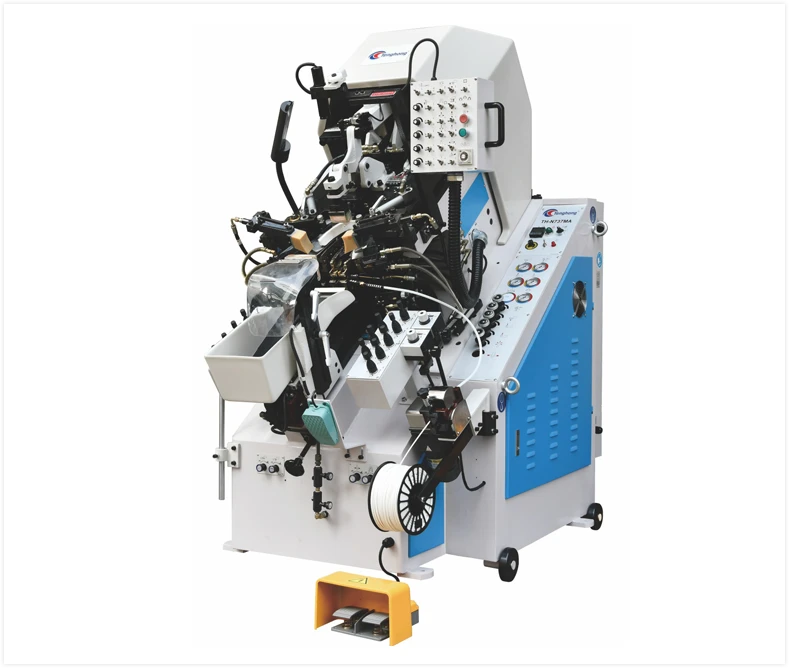
In high-volume footwear production, the toe lasting stage dictates overall assembly line output, shaping uniformity, and upper scrap rates. For manufacturing plants …
Importing lasting machinery from China offers footwear manufacturers a proven way to scale assembly lines while controlling capital investment. However, securing the …
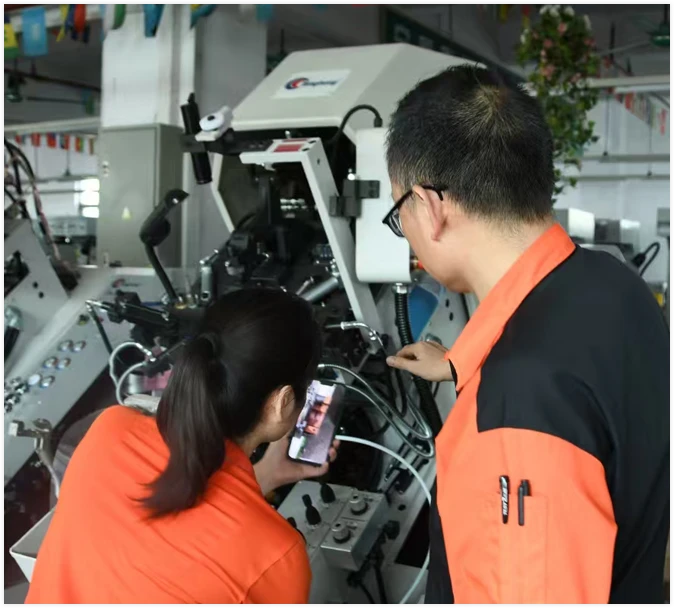
Proper calibration of a toe lasting machine requires balancing two mechanical forces: the tensile pull of the pincers stretching the shoe upper …
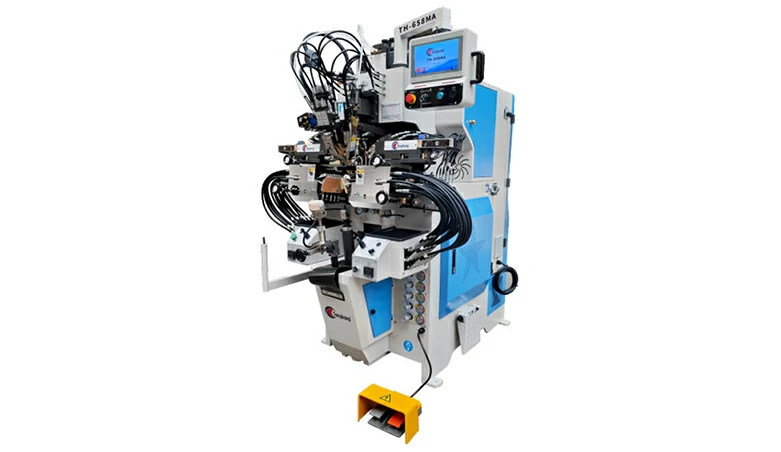
Selecting between a fully automatic and a semi-hydraulic side and heel seat lasting machine comes down to three technical variables: order batch …
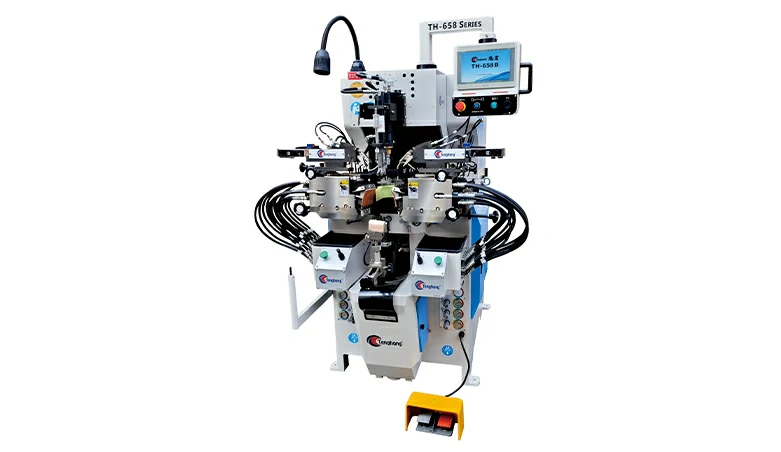
Achieving balanced shoe upper tension and a clean, wrinkle-free heel contour requires precise mechanical coordination across pincers, wipers, and adhesive dispensers. In …
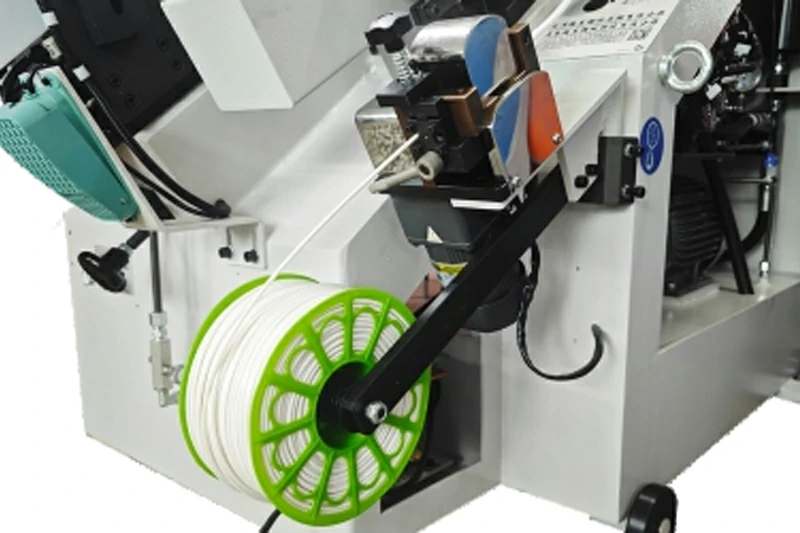
Transitioning a footwear assembly line from manual or semi-manual lasting to an automated setup centers largely on a single machine: the toe …
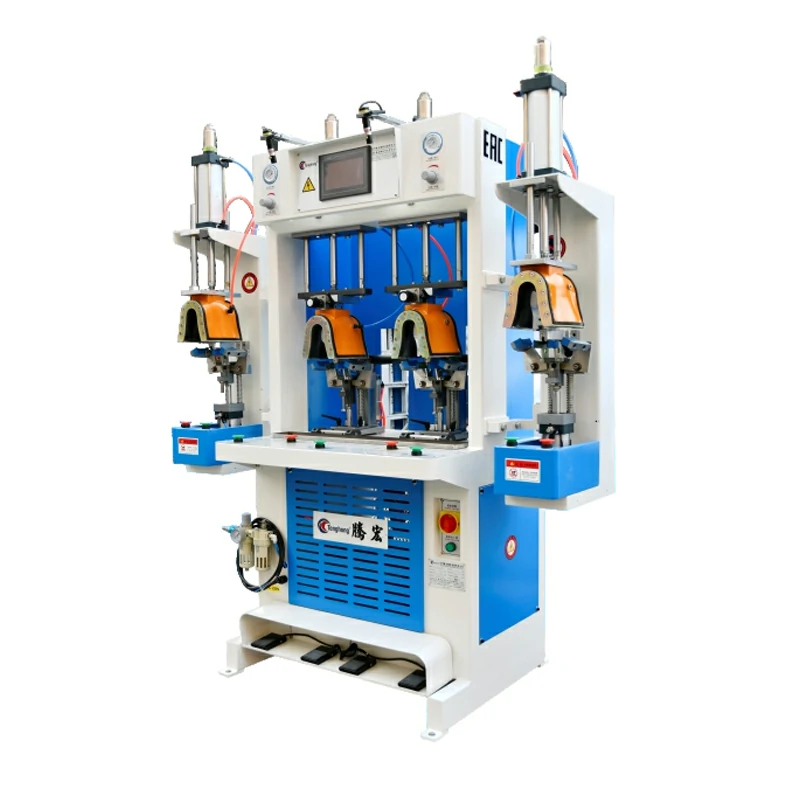
Shoe factory digital transformation replaces manual workstations with connected, data-sharing machines. Learn which stages to automate and how to pick the right line.
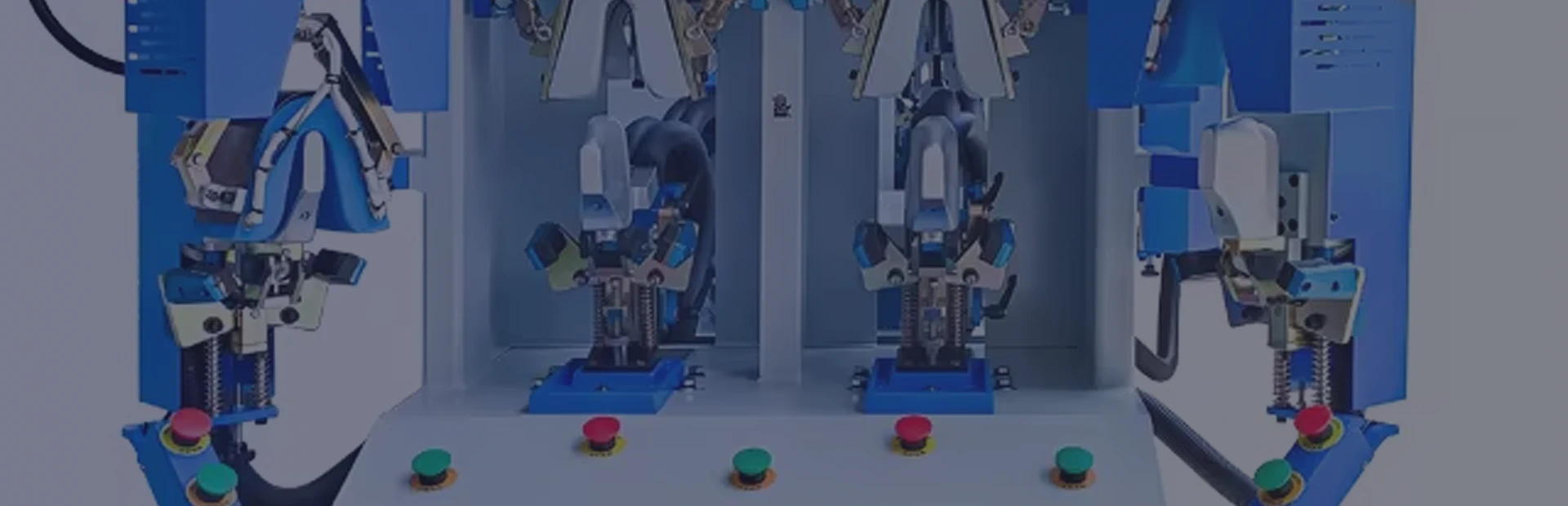
Learn how MES systems link modern shoe assembly machines to track output, shorten changeovers, and connect every workstation from cutting to sole press.
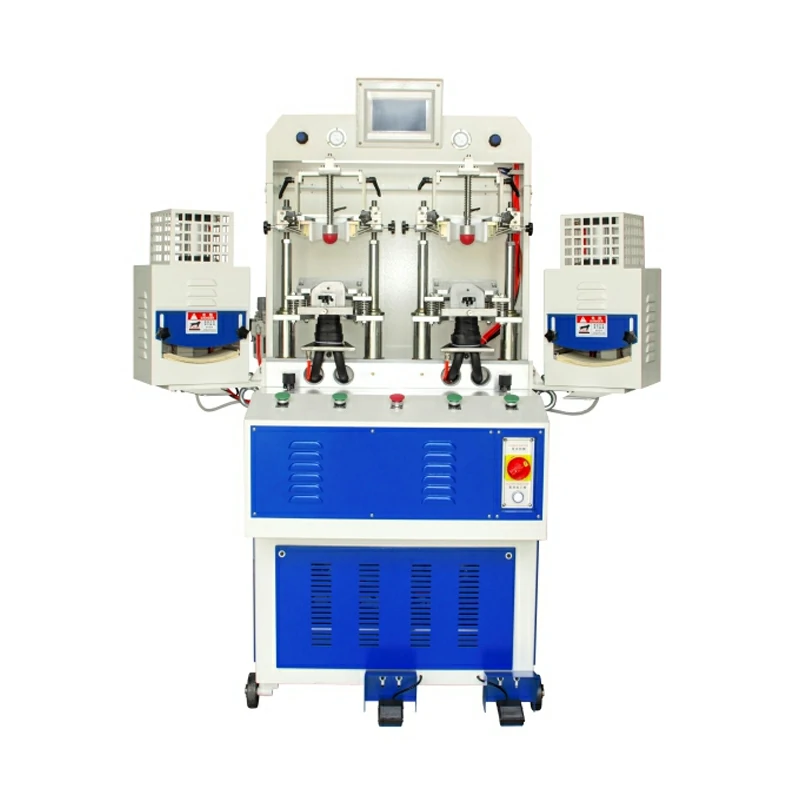
Fully automated shoe production lines combine cutting, lasting, sole attaching and assembly into one connected workflow. See what changes and how to plan it.