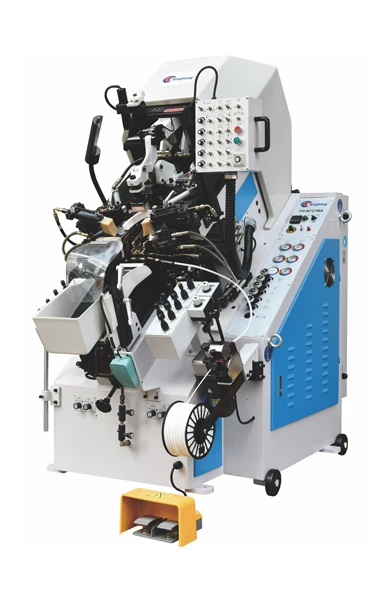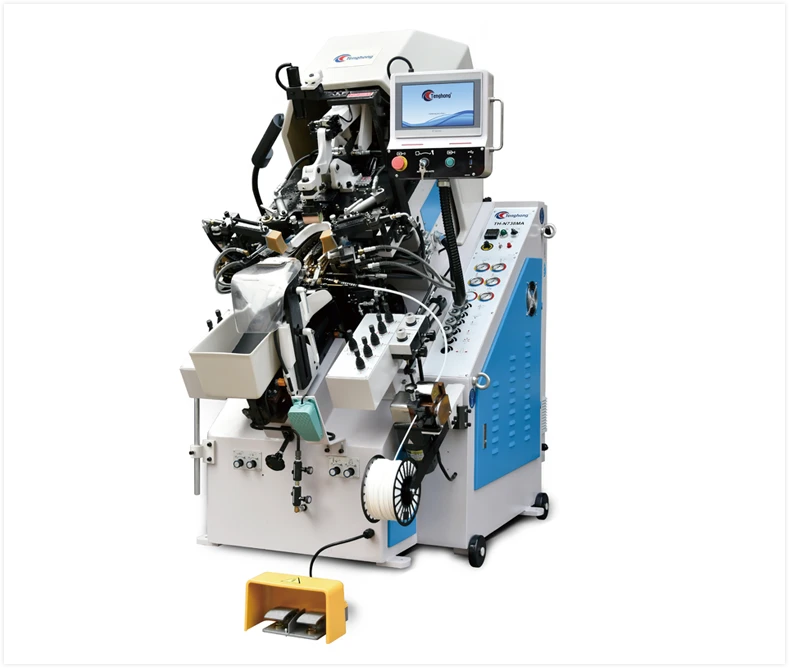
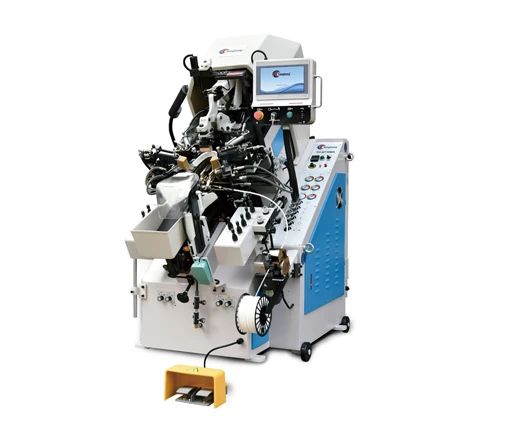
The price of a toe lasting machine varies widely because equipment in this category spans from basic, manually adjusted hydraulic units to programmable, servo-assisted automatic lasting lines. Rather than a single flat market rate, pricing is governed by how much manual labor the machine replaces, the precision of its hydraulic clamping and wiper action, and whether hot-melt cementing is automated or applied by hand.
For footwear factory owners, purchasing managers, and process engineers, choosing the right budget tier comes down to matching machine capability with upper material stiffness, shoe construction complexity, and daily output targets. This guide breaks down the hardware drivers behind toe lasting machine price differences, compares entry-level, mid-range, and high-end tiers, outlines hidden total cost of ownership (TCO) expenses, and provides an actionable checklist to request accurate quotes from equipment manufacturers.
5 Core Factors That Determine Toe Lasting Machine Pricing
Two machines that look similar from the outside can carry substantially different price tags. Understanding the underlying mechanical and control components helps buyers verify whether a quote reflects genuine production capability or stripped-down hardware.
Hydraulic System Precision and Clamping Force
A hydraulic toe lasting machine relies on stable oil pressure to pull the upper leather or synthetic material tightly over the shoe last without tearing or wrinkling. Higher-tier machines incorporate precision proportional valves, multi-stage pressure regulation, and higher-tonnage cylinders capable of forming rigid materials such as thick full-grain leather or steel-toe safety footwear. Lower-cost models typically rely on fixed-pressure valves that require frequent manual adjustments when switching upper thicknesses.
Cementing System (Manual vs. Automatic Hot-Melt Injection)
How adhesive is applied to the lasting margin is one of the largest price differentiators:
- Manual Cementing: Entry-level machines require operators to apply adhesive externally or use basic manual nozzles, keeping upfront equipment costs lower while increasing labor time and glue consumption.
- Automatic Hot-Melt Cementing: An automatic toe lasting machine with cementing system integrates programmable heated nozzles or rotary cementing plates that trace the toe profile automatically — the same trade-off we analyze in depth when comparing automatic cementing vs manual cementing in toe lasting. This reduces adhesive waste and improves bond consistency, directly increasing the base machine price.
Control Interface (Relay Logic vs. PLC / Touchscreen Programming)
Basic machines operate on conventional electrical relay circuits and physical limit switches, which work well for single-style runs but take longer to recalibrate. Mid-range and high-end machines feature Programmable Logic Controllers (PLCs) with touchscreen HMIs that store dozens of style recipes—allowing operators to recall pincer tension, wiper stroke, and cementing paths in seconds during style changeovers. For a closer look at why this capability matters on the factory floor, see our guide to micro-computer and PLC control in modern lasting equipment.
Wiper Blade & Pincer Assembly Customization
The number of pincers (commonly configured in 7-pincer or 9-pincer arrangements depending on machine design) and their degree of independent articulation directly affect lasting accuracy. High-end models allow independent radial and vertical adjustment of individual pincers, along with heated wiper assemblies that smooth out stubborn pleats on pointed or asymmetric lasts.
Energy Efficiency and Servo-Driven Options
Traditional continuous-running hydraulic pumps consume electricity even during idle loading intervals and generate excess heat that accelerates seal wear. Machines equipped with servo-hydraulic drive systems modulate motor speed according to real-time pressure demand, raising the initial capital expenditure while lowering ongoing power consumption and hydraulic oil cooling requirements. The full energy, precision, and cost breakdown is covered in our hydraulic vs. servo-driven toe lasting machine comparison.
Entry, Mid-Range, and High-End Toe Lasting Machines Compared
To evaluate quotes objectively, B2B buyers can group commercial hydraulic and automatic toe lasting machines into three functional pricing tiers, benchmarked against the general shoe making machine price factors that apply across the whole equipment category. Exact dollar figures vary based on regional shipping terms (EXW, FOB, CIF), voltage specifications, and custom tooling, so exact pricing should be confirmed directly with the supplier.
| Evaluation Dimension | Tier 1: Entry-Level | Tier 2: Mid-Range | Tier 3: High-End |
|---|---|---|---|
| Relative Budget Tier | Lowest initial capital outlay | Moderate investment; standard commercial benchmark | Highest capital investment |
| Automation & Control | Relay logic, manual mechanical stops, manual pressure dials | PLC control with digital parameter settings and partial recipe memory | Full touchscreen HMI, multi-recipe memory, automated sequence synchronization |
| Cementing Method | Manual adhesive application prior to or during lasting | Semi-automatic or single-path programmable hot-melt cementing | Multi-axis programmable hot-melt cementing with precise flow control |
| Pincer & Wiper Action | Fixed or minimally adjustable pincer group; standard unheated wipers | Independently adjustable pincer tension; optional heated wiper blades | Micro-adjustable independent pincers, servo-assisted wipers, dual-stage heel/toe clamping |
| Operator Skill Dependency | High — relies heavily on operator feel and manual positioning | Moderate — machine handles core cycle consistency after initial setup | Low to Moderate — repeatable automated cycles reduce operator fatigue |
| Best-Fit Footwear | Casual shoes, lightweight synthetic uppers, simple flat lasts | Men’s and women’s leather dress shoes, everyday sneakers, standard boots | Safety footwear (steel/composite toe), heavy work boots, high-heel fashion lasts, structured leather shoes |
Tier 1: Entry-Level Machines (Basic Hydraulic & Manual Adjustments)
Entry-level shoe toe lasting machine models focus on delivering essential hydraulic pulling and wiping force without electronic automation. Operators manually position the last, trigger the pincers via foot pedals, and adjust clamping stops mechanically when changing sizes. Because they omit PLC touchscreens and integrated hot-melt injection heads, these units keep upfront acquisition costs minimal. However, output speed and toe symmetry depend heavily on operator experience — disciplined pincer tension and wiper height calibration becomes the deciding factor for quality at this tier — making them unsuitable for rigid uppers or tight delivery schedules.
Tier 2: Mid-Range Machines (Semi-Automatic with Programmable Controls)
Mid-range machines represent the workhorse category for established footwear factories. They pair reliable hydraulic clamping with digital controls, adjustable pincer drafting sequences, and integrated hot-melt cementing options. When comparing an entry level vs high end toe lasting machine, the mid-range tier bridges the gap by eliminating manual glue application errors — the practical benefits are the same ones factories see when upgrading from manual to automated lasting — while keeping maintenance straightforward for standard factory technicians.
Tier 3: High-End Machines (High-Speed, Multi-Pincer & Servo-Integrated Systems)
High-end vamp lasting machine systems are engineered for continuous multi-shift operation and challenging footwear constructions. Features typically include servo-driven hydraulic pumps, programmable multi-zone cementing paths, heated wiper blades, and rapid-changeover memory presets. While the upfront purchase price is significantly higher, these systems minimize upper material rejection rates and sustain consistent cycle times across complex lasts.
How to Choose the Right Tier for Your Shoe Production Line
Selecting the appropriate toe lasting machine price range for shoe factory operations requires aligning equipment capabilities with your order mix and labor structure rather than defaulting to the cheapest quote.
Small Workshops & Custom Footwear Makers
- Recommended Tier: Entry-Level to Lower Mid-Range
- Selection Logic: When daily production volumes are modest and styles vary widely from pair to pair, paying for high-speed automated cementing and multi-recipe memory rarely generates a return on investment. A straightforward hydraulic unit with easy mechanical access allows skilled shoemakers to control tension manually without complex programming.
Medium-Scale Commercial Shoe Factories
- Recommended Tier: Mid-Range
- Selection Logic: Factories producing standardized runs of leather dress shoes, casual footwear, or fashion boots benefit most from programmable cycle consistency and integrated cementing. Automating the cementing step reduces adhesive consumption per pair and lowers dependency on scarce, highly experienced lasting operators.
High-Volume OEMs & Safety/Dress Shoe Manufacturers
- Recommended Tier: High-End
- Selection Logic: Producing steel-toe work boots and safety footwear, heavy full-grain leather footwear, or high-margin OEM orders demands high clamping force, heated wipers, and exact repeatability. In high-volume environments, even a small reduction in wrinkled uppers or rework per shift offsets the higher initial capital cost of Tenghong toe lasting machine models — a pattern consistent with the leading automatic toe lasting machines used for footwear mass production.
Hidden Costs to Factor Into Your Toe Lasting Machine Budget
Evaluating toe lasting machine cost solely on the ex-works invoice overlooks recurring operational expenses that impact profitability over the machine’s service life. Before finalizing a purchase order, factor these items into your total budget — and model them against the labor savings vs. equipment amortization ROI of automation:
- Wiper Blades and Lasting Bands: Wiper blades wear down over time and must match the curvature of your specific shoe lasts. Ordering spare wiper sets tailored to your primary last shapes prevents production halts.
- Pincer Grippers and Pads: Abrasive upper materials and heavy leather gradually wear down pincer teeth and rubber pads, requiring periodic replacement to prevent material slippage.
- Hot-Melt Adhesive System Consumables: Machines with automatic cementing require regular purging, replacement nozzles, and temperature-stable seals to prevent charring and blockages.
- Electrical Power & Voltage Adaptation: Industrial three-phase power requirements vary by country (e.g., 220V, 380V, 415V, 50/60Hz). Confirming transformer or motor compatibility upfront avoids costly electrical modifications upon delivery.
- Spare Parts Inventory & Technical Support: Sourcing equipment from a manufacturer that maintains readily available standard spare parts and technical support reduces downtime risk compared to generic trading companies with limited post-sale engineering capacity.
What to Prepare Before Requesting a Quote From Manufacturers
Manufacturers cannot provide an accurate quotation without knowing your specific footwear construction and factory environment. Preparing the following specification checklist before submitting a Request for Quotation (RFQ) ensures you receive comparable, itemized proposals. The fundamentals are the same as those outlined in our guide on what to check before buying shoe making machinery from China:
- Footwear Categories & Construction Type: Specify whether you produce cemented, Goodyear-welted, stitch-down, or safety shoes, and note if toe puffs or steel/composite toe caps are used.
- Upper Material Specifications: List primary upper materials (e.g., full-grain cowhide, split suede, microfiber, mesh, coated synthetics) and approximate material thickness ranges.
- Shoe Last Profile & Size Range: Provide the size range (e.g., EU 36–46) and note extreme toe shapes (pointed, square, extra-wide safety lasts) that may require specialized wiper blades.
- Target Daily Output: State your expected pairs per 8-hour shift so engineers can recommend an appropriate automation level.
- Local Power Supply & Compressed Air Availability: Confirm factory voltage, phase, frequency, and available pneumatic air pressure.
- Preferred Trade Terms: Specify EXW, FOB, or CIF destination port so freight and crating charges are separated transparently from the base machine price — the full import workflow is covered in our guide to importing lasting equipment from China.
Ready to compare configurations? To compare exact configurations for your production line, you can explore Tenghong’s full toe lasting machine lineup and request a quote with your target footwear specifications.
Key Takeaways
- Price Follows Automation and Forming Force: Toe lasting machine price differences are driven primarily by hydraulic pressure precision, automatic vs. manual hot-melt cementing, PLC recipe memory, and servo-driven energy efficiency.
- Three Practical Tiers: Entry-level machines suit small workshops and flexible uppers; mid-range programmable models fit commercial leather and casual shoe lines; high-end servo and heated-wiper systems are built for heavy leather, safety footwear, and high-volume OEMs.
- Evaluate Total Cost of Ownership: Beyond the base machine quote, buyers must budget for custom wiper blades, pincer grippers, hot-melt system maintenance, and voltage compatibility.
- Specific RFQs Yield Accurate Quotes: Sharing footwear construction, upper thickness, last profiles, and target shift output enables manufacturers to quote the exact configuration required without over-specifying.
FAQ
What is the main difference between a semi-automatic and fully automatic toe lasting machine?
A semi-automatic machine requires the operator to manually load the shoe last, align the upper, and initiate clamping cycles, often with manual or single-path adhesive application. A fully automatic toe lasting machine integrates PLC recipe memory, multi-axis automatic hot-melt cementing, and synchronized pincer-and-wiper cycles, reducing operator intervention and cycle time variation.
Can one toe lasting machine handle both men’s dress shoes and athletic footwear?
Mid-range and high-end programmable machines can often process both dress shoes and athletic footwear, provided the operator switches to matching wiper blades and adjusts pincer drafting tension and clamping pressure via stored recipes. However, extreme differences in last curvature or rigid toe-box reinforcements may require dedicated tooling sets — pre-forming the upper on a moulding machine often resolves stiffness issues before lasting, and every toe lasting step is followed by the side and heel seat lasting stage on a complete line.
What factors determine the service life of a hydraulic toe lasting machine?
Service life depends on hydraulic component quality, operating shift intensity, ambient factory temperatures, and adherence to preventive maintenance schedules—such as regular hydraulic oil filtration, seal inspection, and hot-melt tank cleaning. Exact design life expectations and warranty terms should be confirmed directly with the equipment manufacturer.
Does a quoted toe lasting machine price usually include custom wiper blades and shipping?
Standard quotes typically cover the base machine equipped with one standard set of wiper blades and basic installation tools under EXW or FOB terms. Additional wiper profiles matched to specific shoe lasts, extra spare parts kits, and international ocean or air freight are usually itemized separately upon request.